New Alzheimer’s treatment

New Alzheimer’s treatment fully restores memory function.
Of the mice that received the treatment, 75 percent got their memory function back.

Australian researchers have come up with a non-invasive ultrasound technology that clears the brain of neurotoxic amyloid plaques – structures that are responsible for memory loss and a decline in cognitive function in Alzheimer’s patients.

If a person has Alzheimer’s disease, it’s usually the result of a build-up of two types of lesions – amyloid plaques, and neurofibrillary tangles. Amyloid plaques sit between the neurons and end up as dense clusters of beta-amyloid molecules, a sticky type of protein that clumps together and forms plaques.
Neurofibrillary tangles are found inside the neurons of the brain, and they’re caused by defective tau proteins that clump up into a thick, insoluble mass. This causes tiny filaments called microtubules to get all twisted, which disrupts the transportation of essential materials such as nutrients and organelles along them, just like when you twist up the vacuum cleaner tube.

As we don’t have any kind of vaccine or preventative measure for Alzheimer’s – a disease that affects 343,000 people in Australia, and 50 million worldwide – it’s been a race to figure out how best to treat it, starting with how to clear the build-up of defective beta-amyloid and tau proteins from a patient’s brain. Now a team from the Queensland Brain Institute (QBI) at the University of Queensland have come up with a pretty promising solution for removing the former.

Publishing in Science Translational Medicine, the team describes the technique as using a particular type of ultrasound called a focused therapeutic ultrasound, which non-invasively beams sound waves into the brain tissue. By oscillating super-fast, these sound waves are able to gently open up the blood-brain barrier, which is a layer that protects the brain against bacteria, and stimulate the brain’s microglial cells to activate. Microglila cells are basically waste-removal cells, so they’re able to clear out the toxic beta-amyloid clumps that are responsible for the worst symptoms of Alzheimer’s.

The team reports fully restoring the memory function of 75 percent of the mice they tested it on, with zero damage to the surrounding brain tissue. They found that the treated mice displayed improved performance in three memory tasks – a maze, a test to get them to recognise new objects, and one to get them to remember the places they should avoid.

“We’re extremely excited by this innovation of treating Alzheimer’s without using drug therapeutics,” one of the team, Jürgen Götz, said in a press release. “The word ‘breakthrough’ is often misused, but in this case I think this really does fundamentally change our understanding of how to treat this disease, and I foresee a great future for this approach.”

The team says they’re planning on starting trials with higher animal models, such as sheep, and hope to get their human trials underway in 2017.

Share Button

Healthy teeth

Decaying teeth

All sodas contain phosphoric and citric acids that erode enamel. Choose water instead. Skimmed milk is better than sports drinks that contain loads of sugars, acids and additives. Drink fortified orange juice instead of eating citrus fruits that contain harmful citric acid. Sip on black or green tea instead of red wine, that contains tannins which can easily stain your teeth.

Our teeth are a critical part of our day to day lives. Imagine what it would be like without a mouthful of incisors, canines and molars. Your diet would be fairly limited, but that could be a good thing depending on what you currently eat.
The dentists keep advising on which foods to avoid and why it is so important to make changes to your diet. When it comes to your teeth, the damage adds up over time. Changing your eating habits sooner rather than later can also help preserve repairs that have already been made, which means less cost down the road.

Foods That Damage Your Teeth And Some Healthy Alternatives

1. Carbonated Sodas

Soda has been getting a lot of attention these days for being one of the least healthy beverages a person can consume. Regular sodas have tons of sugar that can eat away at teeth, but even diet soda can do damage. All sodas contain phosphoric and citric acid that erodes enamel.

The Better Option – Flavored Water

It is best to stick with still water that is flavored with a sugar-free sweetener. Even unsweetened carbonated water can still contain carbonic acid, which is not good for enamel.

2. Sports Drinks

What is the one drink that will harm your enamel more than soda? Sports drinks. Studies have shown that the combination of sugars, acids and additives in sports drinks make them very bad for your teeth. Not only do sports drinks erode enamel, but they can also soften the dentin tissue under enamel.

The Better Option – Water Followed By Skim Milk

To rehydrate, reach for electrolyte infused water or plain water. Skim milk is also a great option for helping muscles recover while giving your teeth a healthy dose of calcium.

3. Hard Candies

Jawbreakers should have been named teeth breakers. Hard candies are full of cavity-producing sugar, but it is their rock solid structure that makes them particularly bad.

Biting down on hard candy can easily chip and break teeth, which can quickly cause major problems. If you suck on hard candies, it is just as bad because it gives bacteria time to produce acids.

The Better Option – Crunchy Fruits

If you like a little crunch along with sweetness, switch out hard candies for fruits like apples and pears. They are still crunchy without overpowering the strength of your teeth.

4. Sticky Candies

Chewy, sticky candies like saltwater taffy can pull a crown or filling loose, but more concerning is the fact that they stick around between your teeth long after they have been eaten. Sticky sweets that are stuck between teeth feed bacteria until you brush and floss.

The Better Option – Soft Fruits

When your sweet tooth can not be contained, the best option is soft fruits like bananas and blueberries. Just remember to brush right after eating highly pigmented fruits that could otherwise stain your teeth.

5. Dried Fruit

They may seem healthy, but most dried fruits are loaded with sugar. Worse still is the fact that they are usually sticky.

The Better Option – Fresh Fruits

Eating fresh fruits will help you avoid the spike in sugar and stickiness of dried fruits.

6. Citrus Fruits And Juices

Yes, the vitamins in citrus fruits provide amazing health benefits – everywhere, but not in your teeth. Lemons, limes, grapefruit and other citruses are very acidic. These acids can quickly erode enamel.

The Better Option: Fortified Orange Juice

Orange juice has been found to be the least acidic of the citrus fruits, and when it is fortified with vitamin D and calcium it is actually very good for your teeth.

7. Pickles And Pickled Foods

Like citric acid, the acids in vinegar (which is used in the pickling process) can quickly wear down enamel. Eating a lot of pickles can also stain your teeth.

The Better Option: Limit Consumption And Combine With Water

Pickled veggies can be a good source of nutrients without a lot of calories. However, they need to be limited, and to avoid serious enamel damage you will need to drink a lot of water to wash the acids down. It is also best to brush your teeth right after eating.

8. Wine

The tannins in red wine may be a healthy antioxidant that fights free radicals in the body, but they can easily stain your teeth. Both white and red wine also contain erosive acid that is so strong that it can soften enamel in as little as five minutes. The alcohol in wine can also cause dry mouth.

The Better Option: Black Or Green Tea

If you want something to sip on during dinner or afterwards, reach for tea instead. The polyphenols in green and black tea will actually kill the bacteria that causes plaque.

9. Refined Carbohydrates

Refined carbohydrates (white breads, crackers, chips, etc.) may not directly harm your teeth, but they can cause gum diseases like gingivitis. This is because refined carbohydrates can create inflammation in the tissue around your teeth. Starchy refined carbs also convert into sugar once you start chewing.

The Better Option: Whole Grains

Eating whole grains is the healthier option all around. They actually lower the risk of tooth loss, gum disease and chronic illness, unlike refined carbs.

To break yourself of eating habits that wreak havoc on your teeth, it may be helpful to keep a food diary.

Share Button

Supercharge Your Dopamine Levels


Supercharge Your Dopamine Levels and Never Feel Sad, Stressed or Depressed Again.

Our brain releases a neurotransmitter, dopamine, which is crucial for numerous essential bodily functions. Dopamine is great for the following body functions:

-Regulating movement
-Controlling the center of pleasure and reward in the brain
-Improving the cognitive functions (knowledge, attention, memory, decision-making, evaluation, problem solving)
-Regulating the secretion of prolactin

Since it is extremely important for our wellbeing and happiness, the reduced levels of dopamine lead to various health issues, such as depression, sadness, negativity and various emotional troubles.

Fortunately, there are 10 effective ways to raise the dopamine levels in the body, without using medications:

1. Exercise
of every kind raises the levels of dopamine, serotonin, and endorphin. Regular exercise provides happiness, strengthens the body, reduces stress.

2. Avoid Addictions
to alcohol, drugs, gambling, sex, and even shopping, providing an instant pleasure, but it is not a permanent solution. Additions only temporarily satisfy our needs.

Moreover, addictions alter our lifestyle in favor of the source of the addiction, and it is a wicked cycle. Therefore, you should try and lower the risk of developing addictions, enjoy life, and find things that provide deeper calmness and happiness. Also, it is of great importance to work a job you enjoy.

3. Detoxification
Make sure you regularly detoxify your system, as the accumulation of toxins and bacteria in the body prevents the dopamine production and weakens the immunity.

4. Increase Tyrosine
Tyrosine is one of the 22 essential amino acids used for the creation of proteins. It is actually the most important chemical for the dopamine production of dopamine.

Besides dopamine, it also has the potential to elevate norepinephrine levels. In order to raise its levels in the body, you should consume green tea, watermelon, almonds, bananas, avocados, and dark chocolate.

5. Music
Dopamine levels are also increased through listening to music, even though it may be short-term. Therefore, use music as a common way to raise dopamine levels.

6. Organize your life
The levels of dopamine are raised in the case of organized small daily tasks, even though they are hard at times. You should write your tasks down on a piece of paper, and check them off. In this way, you will be satisfied as you note that you finish them one by one.

The Principles of Self-Management state that if a task represents a change of 25% (or bigger change) in the routine, you will feel unable to finish it, and often ends up with a self-sabotage or giving up.

If the task changes 10% of your routine, you will succeed to complete it, as you will believe it is small. Therefore, balance tasks to be 10 and 25% of new behaviors, in order to try new and challenging things, but still not too difficult to complete.

7. Creativity
The levels of dopamine in the brain are also elevated with a creative activity. This will also keep you focused. You do not need to become a world-known artist but try dancing, singing, writing, sculpturing, painting, drawing, cooking, knitting, making crafts, and auto repair, and you will feel much better right away.

8. Get a Streak Going
In this sense, “streak” will mean a visual reminder of the number of times in a row you do something. This is similar to organizing the tasks, and accomplishing them. This will raise the levels of dopamine, and make you happier and satisfied. You should use a calendar, written your goals, and plan when to complete them. As soon as you finish the task, mark it off on your calendar. Yet, the drawback of the ‘streak’ is routine, so you should find a way to enhance the performance.

9. Supplementation
Dopamine levels can also be raised through supplementation, such as:

Curcumin, the active ingredient in turmeric, effectively increases dopamine in the brain.

Ginkgo Biloba has a potential to raise dopamine levels as well.

Acetyl-l-tyrosine is a building block of dopamine, so a healthy dose of it supports the production of dopamine in the brain.

L-theanine increases numerous neurotransmitters in the brain, including dopamine.                                                  

Green tea is a rich source of l-theanine.

10. Meditation
raises the levels of dopamine in a different way that cardio exercises. It improves your mood, creates mental energy, and relaxes the mind. Meditation is an efficient way to reduce stress on a daily basis.img_3545

Share Button

FIRST ARTIFICIAL PANCREAS


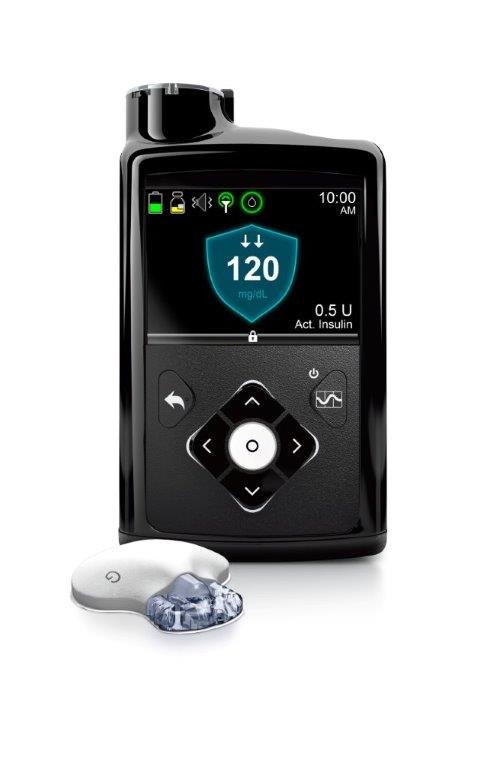
The U.S. Food and Drug Administration today approved Medtronic’s MiniMed 670G hybrid closed looped system, the first FDA-approved device that is intended to automatically monitor glucose (sugar) and provide appropriate basal insulin doses in people 14 years of age and older with type 1 diabetes.

The human pancreas naturally supplies a low, continuous rate of insulin, known as basal or background insulin. In patients with diabetes, the body’s ability to produce or respond to insulin is impaired.

“The FDA is dedicated to making technologies available that can help improve the quality of life for those with chronic diseases – especially those that require day-to-day maintenance and ongoing attention,” said Jeffrey Shuren, M.D., J.D., director of the FDA’s Center for Devices and Radiological Health. “This first-of-its-kind technology can provide people with type 1 diabetes greater freedom to live their lives without having to consistently and manually monitor baseline glucose levels and administer insulin.”

The MiniMed 670G hybrid closed looped system, often referred to as an “artificial pancreas,” is intended to adjust insulin levels with little or no input from the user. It works by measuring glucose levels every five minutes and automatically administering or withholding insulin. The system includes a sensor that attaches to the body to measure glucose levels under the skin; an insulin pump strapped to the body; and an infusion patch connected to the pump with a catheter that delivers insulin. While the device automatically adjusts insulin levels, users need to manually request insulin doses to counter carbohydrate (meal) consumption.

According to the U. S. Centers for Disease Control and Prevention, approximately 5 percent of people with diabetes have type 1 diabetes. Also known as juvenile diabetes, type 1 diabetes is typically diagnosed in children and young adults. Because the pancreas does not make insulin in people with type 1 diabetes, patients have to consistently monitor their glucose levels throughout the day and have insulin therapy through injection with a syringe, an insulin pen or insulin pump to avoid becoming hyperglycemic (high glucose levels). In addition, management of type 1 diabetes includes following a healthy eating plan and physical activity.

“As part of our commitment to improving diabetes care, the FDA worked interactively with Medtronic from the earliest stages of development to assist in making this technology available to people with type 1 diabetes as quickly as possible,” said Alberto Gutierrez, Ph.D., director of the Office of In Vitro Diagnostics and Radiological Health in the FDA’s Center for Devices and Radiological Health. “We encourage companies to work closely with the agency to ensure scientifically sound, highly efficient clinical study designs, helping to expedite the FDA’s evaluation and subsequent approval of novel devices that can make a difference for patients.”

The FDA evaluated data from a clinical trial of the MiniMed 670G hybrid closed looped system that included 123 participants with type 1 diabetes. The clinical trial included an initial two-week period where the system’s hybrid closed loop was not used followed by a three-month study during which trial participants used the system’s hybrid closed loop feature as frequently as possible. This clinical trial showed that the device is safe for use in people 14 years of age and older with type 1 diabetes. No serious adverse events, diabetic ketoacidosis (DKA) or severe hypoglycemia (low glucose levels) were reported during the study.

Risks associated with use of the system may include hypoglycemia, hyperglycemia, as well as skin irritation or redness around the device’s infusion patch. This version of this device is unsafe for use in children 6 years of age or younger and in patients who require less than eight units of insulin per day.

As part of this approval, the FDA is requiring a post-market study to better understand how the device performs in real-world settings. While the device is being approved today for use in people 14 years of age and older with type 1 diabetes, Medtronic is currently performing clinical studies to evaluate the safety and effectiveness of the device in diabetic children 7-13 years old.

The MiniMed 670G hybrid closed looped system is manufactured by Medtronic, headquartered in Dublin, Ireland.

The FDA, an agency within the U.S. Department of Health and Human Services, promotes and protects the public health by, among other things, assuring the safety, effectiveness, and security of human and veterinary drugs, vaccines and other biological products for human use, and medical devices. The agency also is responsible for the safety and security of our nation’s food supply, cosmetics, dietary supplements, products that give off electronic radiation, and for regulating tobacco products.


img_2719


Share Button

5 Functional Foods In The World Which Destroy Cancer Cells

5 Functional Foods In The World Which Destroy Cancer Cells

All cancer cells can be conquered by the human immune system. The increasing power of cancers depends on what we ingest to end their growth. We bring to you a list of 5 functional foods which hinder development of tumors during immune surveillance in our bodies.

1. Garlic contains sulfur compounds that may stimulate the immune system’s natural defences against cancer, and may have the potential to reduce tumor growth. Studies suggest that garlic can reduce the incidence of stomach cancer by as much as a factor of 12 pure stabilized allicin extract.
2. Hemp oil encourages total healing in the body and increases the levels of melatonin present in the body by thousands of times above the normal level. For at least a decade, people have been shown that hemp oil can be a valid cancer cure. There are two types of hemp oil, one legal, and the other illegal, since full of THC. Both kinds of hemp oil are packed with protein and are extremely beneficial in various health conditions.

3. Red Grapes. Resveratrol is a phenolic compound that contributes to the antioxidant potential of red grapes. Resveratrol is not only an antioxidant and antimutagen, but also reduces oxidant-caused cell death. Resveratrol has been shown to inhibit production of nitric oxide and tumor necrosis factor alpha (TNF-A) by lipopolysaccharide-stimulated Kuppfer cells. Kuppfer cells are macrophages fixed in place in the liver. Their chronic overproduction of nitric oxide and TNF-A due to chronic infection can cause severe liver damage.

4. Tomatoes contain carotenoids and lycopene which are considered helpful to the body. Tomato juice provides small amounts of carotenoids which were found on the production of inflammatory mediators. Regular consumption of tomatoes and its products helps lower the risk of various types of cancer, and to a lesser extent, it lessens coronary heart diseας.

5. Turmeric contains curcumin, possibly the most powerful antioxidant. Curcumin exerts anti-inflammatory and anti-oxidative effects by inhibiting tumor necrosis factor-alpha (TNF-alpha), suggesting that its effect on endothelial function may be mediated by the suppression of inflammation and/or oxidative stress via down-regulation of TNF-alpha.

Share Button

Fatigue

10 Medical Reasons Why You Are Feeling Tired and Fatigued All the Time

Nearly everyone gets overtired or overworked from time to time. Such instances of temporary tiredness can be a normal response to physical and mental activity.

It also may be related to lack of sleep, jet lag, lack of physical activity, side effects of medications or an unhealthy diet.

However, unrelenting exhaustion or fatigue is more profound. It is very different than drowsiness, though both can occur at the same time.

When suffering from fatigue, you experience unexplained, persistent and relapsing exhaustion that does not get better with rest.

If you have a constant lack of energy and ongoing fatigue, it may be due to some underlying health problem.

Here are 10 medical reasons that might be making you tired and fatigued all the time.

1. Chronic Fatigue Syndrome CFS involves severe and disabling fatigue and tiredness that goes on for months. If you have this condition, you may experience extreme fatigue after normal physical or mental activities, which can last for more than 24 hours after the activity. It does not even improve with rest.

Apart from fatigue, other symptoms include a sore throat, muscle or joint pain, and headaches.

The exact cause of CFS is not yet known. However, researchers believe that viruses, hypotension (unusually low blood pressure), a weakened immune system and hormonal imbalances are contributing factors.

Self-care measures as well as several treatment options may help people suffering from CFS.

In a 2015 study, a team from Oxford University, King’s College London and Queen Mary University of London looked at four potential treatments for CFS. They found cognitive behavioral therapy and graded exercise therapy are treatment options with the best outcomes.

2. Anemia. Fatigue is a common symptom of all types of anemia. Anemia is a condition characterized by low levels of hemoglobin, which is the oxygen-carrying chemical in the bloodstream. Lack of oxygen in the body causes constant fatigue and tiredness.

A 2002 study published in Seminars in Oncology shows a strong relationship between fatigue and anemia.

Fatigue along with shortness of breath, dizziness, headaches, cold hands and feet, pale skin and chest pain are symptoms of anemia.

Get your blood checked to find out whether you are anemic. Proper diagnosis and management of anemia are important for overall health.

3. Underactive Thyroid (Hypothyroidism). Fatigue is a debilitating symptom for thyroid patients, especially those who suffer from hypothyroidism or underactive thyroid.

The thyroid gland helps regulate metabolism, which is the rate at which the body uses energy. When the gland is not making enough thyroid hormones, it results in constant fatigue, tiredness and low energy.

According to a 2012 study published in the European Journal of Endocrinology, autoimmune hypothyroidism patients had significantly higher levels of fatigue as compared to differentiated thyroid carcinoma patients.

Along with fatigue, other symptoms of hypothyroidism are sudden weight gain, muscle soreness, hair loss, dry skin and increased sensitivity to cold. If you are experiencing these symptoms, consult your doctor.

An underactive thyroid can be easily diagnosed by taking a blood test.

4. Diabetes. Fatigue and tiredness are a common complaint among people with diabetes, which hinders the ability to perform day-to-day activities.

According to a 2014 study published in Diabetes Care, chronic fatigue is highly prevalent in Type 1 diabetes patients.

It is not yet clear why diabetes makes people so tired. However, it is believed that as the body needs to use an ample amount of energy to deal with frequent changes in blood sugar levels, it results in fatigue. Fatigue and weakness occur despite eating properly and getting adequate sleep.

If you suffer from fatigue along with increased thirst and hunger, increased urination and unexpected weight loss, get yourself checked by a doctor. Early diagnosis allows for better treatment.

5. Fibromyalgia is another common cause of chronic fatigue and musculoskeletal pain, especially in women. It is described as a disorder of the muscles, joints and fibrous tissues.

In cases of fibromyalgia, fatigue is accompanied with feelings of depression, and often, social withdrawal.

According to a 2013 study published in Arthritis Research and Therapy, fatigue is one of the most common complaints among fibromyalgia patients. However, it has received less attention than chronic body pain.

Along with chronic fatigue, other symptoms of fibromyalgia are deep muscle pain, painful tender points, sleep problems, anxiety and depression.

Consult your doctor if you’re having these symptoms, as with time your condition could worsen and severely affect the quality of your personal and professional life.

6. Multiple Sclerosis commonly known as MS, is an autoimmune disease that affects the central nervous system – the brain and spinal cord.

Here the body’s immune system attacks myelin, which is an insulating coating around nerve cells. Women appear to be more prone to this disease than men.

Fatigue is a common symptom of MS. According to the National Multiple Sclerosis Society, 80 percent of people with MS suffer from fatigue. This fatigue gets worse as the day goes on, and heat and humidity can worsen the condition.

A 2008 study published in the Brazilian Journal of Medical and Biological Research reports that restless legs syndrome as well as poor sleep quality and daytime fatigue are common in MS patients.

Another 2014 study published in the Journal of Clinical Sleep Medicine reports that sleep disturbances, and obstructive sleep apnea in particular, may be highly prevalent yet under recognized contributors to fatigue in people who have multiple sclerosis (MS).

Some of the other symptoms of MS are numbness or weakness in one or more limbs, tingling or pain in parts of your body, slurred speech and dizziness.

There is no cure for this disease. However, with timely diagnosis and treatment, you can slow the progression and reduce the severity of the symptoms.

7. Depression can make a person feel extremely tired, even after a good night’s rest. Plus, people who are depressed often suffer from sleep problems.

Any kind of sleep problem affects your energy level. According to the World Health Organization, more than 350 million people suffer from depression.

Fatigue is a common symptom in patients with depression. This has been proven by a 2004 study published in Psychiatry. Depression triggers a lower production of various neurotransmitters, which results in chronic fatigue.

Another 2014 study published in Depression and Anxiety reports that diagnosis and treatment of fatigue in patients with depression is poor. This causes more severe and longer-persisting depression.

If left untreated, depression can lead to suicide. It is important to consult a doctor if you experience constant fatigue as well as feeling sad, hopeless, worthless and helpless.
8. Glandular Fever, also known as infectious mononucleosis, is a viral infection that causes severe fatigue. Other symptoms include a fever, loss of appetite, aching muscles, a sore throat and swollen glands.

While other symptoms of glandular fever go away within a month, patients suffer from fatigue for several months.

A 2007 study published in the Journal of Infectious Disease reports that risk of either prolonged fatigue or chronic fatigue syndrome in glandular fever is five to six times that of other common upper respiratory tract infections.

Another 2011 study published in Psychological Medicines also reports the onset of chronic fatigue syndrome following an acute episode of glandular fever.

If you suspect you have glandular fever, see your doctor for proper diagnosis and treatment.

9. Sleep Apnea is a very common disorder that can cause daytime fatigue and tiredness. In this sleep disorder, a person’s breathing is interrupted or even stopped involuntarily while sleeping. It occurs due to blocked or narrowed airways in your nose, mouth or throat.

A 2000 study published in Chest reports that complaints of fatigue, tiredness or lack of energy may be as important as that of sleepiness to patients suffering from obstructive sleep apnea.

If you are experiencing chronic fatigue along with feeling exhausted upon awakening, a headache after waking up and snoring, you may be suffering from sleep apnea. Consult your doctor immediately. Even a small amount of sleep deprivation can harm your health and mood.

10. Menopause. Women who are perimenopausal or going through menopause commonly feel fatigued. Estrogen, progesterone, thyroid and adrenal hormones are involved in regulating cellular energy in the body. During menopause, the hormone levels fluctuate a lot, which can lead to fatigue.

Plus, during this stage, women find it hard to get good sleep due to night sweats and hot flashes. Lack of sleep leaves you dragging during the day.

Fatigue even exacerbates other menopausal symptoms, such as anxiety, poor concentration and a lack of confidence.

Early menopause as well as menstrual abnormalities, endometriosis, pelvic pain and hysterectomy are all related to chronic fatigue syndrome, according to a 2015 study published in Menopause.

In fact, chronic fatigue syndrome is two to four times more common in women than men and is most prevalent in women in their 40s.

Share Button

MELATONIN

“Melatonin Slow Release – to keep you sleeping all night Melatonin is produced by the body to maintain sleep throughout the night. Melatonin levels decline throughout adulthood. Unlike standard quick release melatonin tablets, a slow release mechanism is useful to help pre


vent waking a few hours after falling asleep.”

Share Button

here we go

IMG_6643

Share Button
css.php