Try a FODMAPs diet to manage irritable bowel syndrome

Irritable bowel syndrome (IBS) is a common gastrointestinal disorder that affects 1 out of 10 people in the United States each year. With symptoms like cramping, diarrhea, gas and bloating, it’s no surprise that living with IBS can have a significant effect on a person’s quality of life.

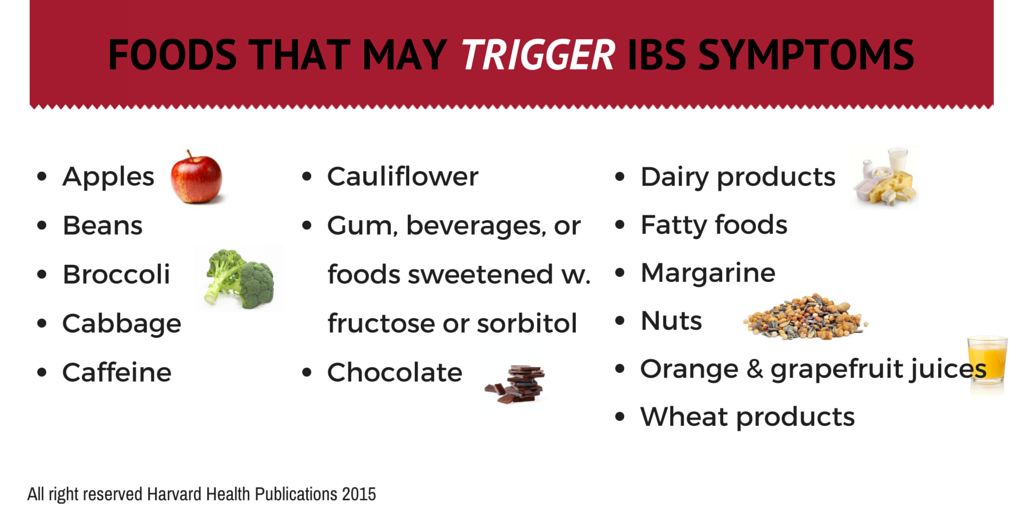
Diet is one way people manage the symptoms of IBS. A common treatment approach is to avoid the foods that trigger symptoms. A new diet for IBS, developed in Australia, is showing promise in managing IBS symptoms. It’s called the low FODMAP diet.

What Is the Low FODMAP Diet?

FODMAP stands for:

Fermentable

Oligosaccharides,

Disaccharides,

Monosaccharides

And olyols.


These fermentable short-chain carbohydrates are prevalent in the diet.

  • Oligosaccharides: fructans and galactooligosaccharides (GOS)
  • Disaccharides: lactose
  • Monosaccharides: fructose
  • Polyols: sorbitol and mannitol

Researchers suggest that the small intestine does not absorb FODMAPs very well. They increase the amount of fluid in the bowel. They also create more gas. That’s because bacteria in the colon they are easily fermented by colonic bacteria. The increased fluid and gas in the bowel leads to bloating and changes in the speed with which food is digested. This results in gas, pain and diarrhea. Eating less of these types of carbohydrates should decrease these symptoms.

So far, studies have shown that a low FODMAP diet improves IBS symptoms. One study even found that 76% of IBS patients following the diet reported improvement with their symptoms.

Eat Less Of These Foods

  • Lactose
    • Cow’s milk, yogurt, pudding, custard, ice cream, cottage cheese, ricotta cheese and mascarpone
  • Fructose
    • Fruits, such as apples, pears, peaches, cherries, mangoes, pears and watermelon
    • Sweeteners, such as honey and agave nectar
    • Products with high fructose corn syrup
  • Fructans
    • Vegetables, such as artichokes, asparagus, Brussels sprouts, broccoli, beetroot, garlic and onions
    • Grains such as wheat and rye
    • Added fiber, such as inulin
  • GOS
    • Chickpeas, lentils, kidney beans and soy products
    • Vegetables, such as broccoli
  • Polyols
    • Fruits, such as apples, apricots, blackberries, cherries, nectarines, pears, peaches, plums and watermelon
    • Vegetables, such as cauliflower, mushrooms and snow peas
    • Sweeteners, such as sorbitol, mannitol, xylitol, maltitol and isomalt found in sugar-free gum and mints, and cough medicines and drops

Eat More Of These Foods

  • Dairy: Lactose-free milk, rice milk, almond milk, coconut milk, lactose-free yogurt; hard cheeses such as feta and brie
  • Fruit: Bananas, blueberries, cantaloupe, grapefruit, honeydew, kiwi, lemon, lime, oranges and strawberries
  • Vegetables: Bamboo shoots, bean sprouts, bok choy, carrots, chives, cucumbers, eggplant, ginger, lettuce, olives, parsnips, potatoes, spring onions and turnips
  • Protein: Beef, pork, chicken, fish, eggs and tofu
  • Nuts/seeds (limit to 10-15 each): Almonds, macadamia, peanuts, pine nuts and walnuts
  • Grain: Oat, oat bran, rice bran, gluten-free pasta, such as rice, corn, quinoa, white rice, corn flour and quinoa

The idea behind the low FODMAPs diet is to only limit the problematic foods in a category — not all of them. (After all, they do have health benefits.) You may tolerate some foods better than others.

Meet with a registered dietician if you are considering this diet. It’s important to make sure your eating plan is safe and healthy. He or she will have you eliminate FODMAPs from your diet. Then you gradually add the carbohydrates back in one at a time and monitor your symptoms. A food diary and symptom chart may be helpful tools.

The Bottom Line

The low FODMAP diet has shown potential in helping people with IBS. Some health professionals believe it’s too restrictive. Proponents of the diet report that people stick with it because of how it improves their quality of life.


Share Button

Breathing enhances memory recall and emotional judgement.

Rhythm of breathing enhances memory recall and emotional judgement.

A new study reports the rhythm of your breathing can influence neural activity that enhances memory recall and emotional judgement.

Breathing is not just for oxygen; it’s now linked to brain function and behavior.

It has been discovered for the first time that the rhythm of breathing creates electrical activity in the human brain that enhances emotional judgments and memory recall.

These effects on behavior depend critically on whether you inhale or exhale and whether you breathe through the nose or mouth.

In the study, individuals were able to identify a fearful face more quickly if they encountered the face when breathing in compared to breathing out. 

Individuals also were more likely to remember an object if they encountered it on the inhaled breath than the exhaled one. 

The effect disappeared if breathing was through the mouth.

“One of the major findings in this study is that there is a dramatic difference in brain activity in the amygdala and hippocampus during inhalation compared with exhalation.” 

“When you breathe in, we discovered you are stimulating neurons in the olfactory cortex, amygdala and hippocampus, all across the limbic system.”

The study was published Dec. 6 in the Journal of Neuroscience.

The senior author is Jay Gottfried, professor of neurology at Feinberg.

Northwestern scientists first discovered these differences in brain activity while studying seven patients with epilepsy who were scheduled for brain surgery.

A week prior to surgery, a surgeon implanted electrodes into the patients’ brains in order to identify the origin of their seizures. 

This allowed scientists to acquire electro-physiological data directly from their brains. 

The recorded electrical signals showed brain activity fluctuated with breathing. 

The activity occurs in brain areas where emotions, memory and smells are processed.

This discovery led scientists to ask whether cognitive functions typically associated with these brain areas — in particular fear processing and memory — could also be affected by breathing.

pastedGraphic.png

The amygdala is strongly linked to emotional processing, in particular fear-related emotions. 

So scientists asked about 60 subjects to make rapid decisions on emotional expressions in the lab environment while recording their breathing. 

Presented with pictures of faces showing expressions of either fear or surprise, the subjects had to indicate, as quickly as they could, which emotion each face was expressing.

When faces were encountered during inhalation, subjects recognized them as fearful more quickly than when faces were encountered during exhalation. 

This was not true for faces expressing surprise. 

These effects diminished when subjects performed the same task while breathing through their mouths. 

Thus the effect was specific to fearful stimuli during nasal breathing only.

In an experiment aimed at assessing memory function — tied to the hippocampus — the same subjects were shown pictures of objects on a computer screen and told to remember them. Later, they were asked to recall those objects. 

Researchers found that recall was better if the images were encountered during inhalation.

The findings imply that rapid breathing may confer an advantage when someone is in a dangerous situation, Zelano said.

“If you are in a panic state, your breathing rhythm becomes faster,” Zelano said.

 “As a result you’ll spend proportionally more time inhaling than when in a calm state. 

Thus, our body’s innate response to fear with faster breathing could have a positive impact on brain function and result in faster response times to dangerous stimuli in the environment.”

Another potential insight of the research is on the basic mechanisms of meditation or focused breathing. 

“When you inhale, you are in a sense synchronizing brain oscillations across the limbic network,” Zelano noted.

Abstract

Nasal Respiration Entrains Human Limbic Oscillations and Modulates Cognitive Function

The need to breathe links the mammalian olfactory system inextricably to the respiratory rhythms that draw air through the nose. 

In rodents and other small animals, slow oscillations of local field potential activity are driven at the rate of breathing (∼2–12 Hz) in olfactory bulb and cortex, and faster oscillatory bursts are coupled to specific phases of the respiratory cycle. 

These dynamic rhythms are thought to regulate cortical excitability and coordinate network interactions, helping to shape olfactory coding, memory, and behavior. 

However, while respiratory oscillations are a ubiquitous hallmark of olfactory system function in animals, direct evidence for such patterns is lacking in humans. 

In this study, we acquired intracranial EEG data from rare patients (Ps) with medically refractory epilepsy, enabling us to test the hypothesis that cortical oscillatory activity would be entrained to the human respiratory cycle, albeit at the much slower rhythm of ∼0.16–0.33 Hz. 

Our results reveal that natural breathing synchronizes electrical activity in human piriform (olfactory) cortex, as well as in limbic-related brain areas, including amygdala and hippocampus. 

Notably, oscillatory power peaked during inspiration and dissipated when breathing was diverted from nose to mouth. 

Parallel behavioral experiments showed that breathing phase enhances fear discrimination and memory retrieval. 

Our findings provide a unique framework for understanding the pivotal role of nasal breathing in coordinating neuronal oscillations to support stimulus processing and behavior.

SIGNIFICANCE STATEMENT 

Animal studies have long shown that olfactory oscillatory activity emerges in line with the natural rhythm of breathing, even in the absence of an odor stimulus.

Whether the breathing cycle induces cortical oscillations in the human brain is poorly understood. In this study, we collected intracranial EEG data from rare patients with medically intractable epilepsy, and found evidence for respiratory entrainment of local field potential activity in human piriform cortex, amygdala, and hippocampus. 

These effects diminished when breathing was diverted to the mouth, highlighting the importance of nasal airflow for generating respiratory oscillations. 

Finally, behavioral data in healthy subjects suggest that breathing phase systematically influences cognitive tasks related to amygdala and hippocampal functions.

.

Share Button

Alkaline Foods That Will Benefit You

But that doesn’t mean you suddenly have to eat a “raw” or “vegan” diet, which is what we tend to think about when we think about eating highly alkaline foods.

The truth is, eating alkaline foods doesn’t require any extreme measures.

Eating high alkaline foods simply means you’re eating more of certain foods to help prevent your blood from becoming too acidic, which promotes your health in endless ways.

In fact, among other things your body has a hard time properly producing energy in an acidic internal environment, as an acidic state leaves less oxygen available to your cells for energy production.

It just so happens that the most alkalizing foods are plant foods, which makes them excellent food choice when you’re eating for energy. Therefore, eating energizing, alkaline foods simply means you’re eating more fruits and vegetables.

What Does Acid/Alkaline Mean?

Our bodies have what’s called a pH balance, which measures the acidity in our blood. That level can determine our overall state of health – and whether or not we’re at risk for serious illness.
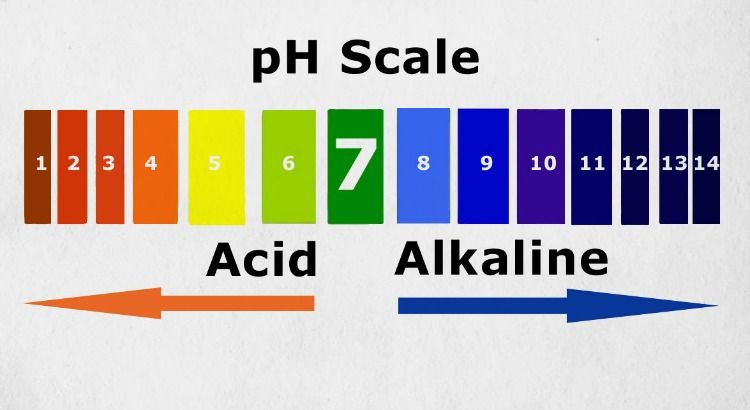
pH Scale

Our blood is measured on a pH scale that ranges from 0 to 14. Zero is considered most acidic, while fourteen is highly alkaline. The ideal pH of our blood for optimal health is around 7.35, which is neither too acidic or too alkaline, but neutral.

The reason the acid-alkaline balance matters to you is because it directly impacts your state of health.

An acidic environment is considered the perfect setting for illness and disease to thrive in. One of the primary factors that influence our blood’s pH are the kind of foods we eat.

All foods can be categorized as acidic, alkaline, or neutral. A food’s pH isn’t measured by its physical properties, but by the residue that’s left in the body once the food has been metabolized.

For example, we’d intuitively consider a lemon acidic because it has a sour taste and the ability to erode our tooth enamel. But once it’s been metabolized by the body, lemon leaves the blood alkaline. This explains why a seemingly acidic food can “turn” alkaline in the body.

To determine whether a food is alkalizing or acidic to the body, each food is measured on a PRAL scale.

What Is PRAL?

PRAL isn’t the sound a dying cat makes – rather, it stands for the “Potential Renal Acid Load” of a food. Instead of simply categorizing a food as acidic or alkaline, PRAL measures the exact amount of acidity or alkalinity of a food once it’s been metabolized.

Each food on the PRAL scale scores in a negative, neutral, or positive value. Any food that has a negative value is considered an alkaline food (or a base), while any food with a positive value is acidic.

For example, broccoli has a score of -1.2, which means it’s alkalizing – but not as alkalizing as eggplant, which scores at -3.4.

Lean beef, on the other hand, has a score of +7.8, which means it’s highly acidic.

To get a little more technical, PRAL measures the acidity or alkalinity of a food based on the amount of minerals, protein, and phosphorus that’s left behind in the body once it’s been metabolized.

Since protein and phosphorus break down into sulfuric acid and phosphoric acid, they are considered acidifying to the body. When an alkaline food is metabolized, it will leave behind alkaline trace minerals, such as calcium, magnesium, and potassium.

PRAL Chart

The foods that rank most alkaline on the PRAL scale are fruits, vegetables, and a few nuts and seeds. The foods that rank most acidic are the foods many of us eat each day, such as chicken, grains, eggs, peanuts, fish, seafood, and dairy products. Parmesan cheese has a score of +34.2 on the PRAL scale, which classifies it as one of the most acidifying foods in our diets.

Now, you may be wondering how dairy could be classified as acidic, seeing as how it contains calcium, which is an alkaline mineral. The reason dairy is acidic is because it contains much more phosphorus (which is acidic) than calcium (4).

As a quick side note, how the PRAL table measures the acidity of a food isn’t to be confused with how our blood’s pH is measured.

If we were applying PRAL scores to the pH scale, the 7.8 score of lean beef would suggest that it’s alkaline, or neutral. Unlike the pH scale, a food with a negative score actually means it’s alkalizing to the body. Make sense?

The Problem with Being Too Acidic

We’ve brieflyBeing too acidic can come with other symptoms that occur far before a serious illness results. In fact, being too acidic can result in muscle wasting and reduced bone density. This is partially due to the fact that many acidic foods are low in nutrients that promote musculoskeletal health, such as potassium and calcium (5).

To get slightly more scientific in terms of bone health, an acidic environment has been shown to  encourage the activity of osteoclast cells. Osteoclasts are cells that break down bone.

In contrast, an alkaline environment has been shown to encourage the activity of osteoblasts, which are the cells that help build bone (6). (To learn more on the relationship between an alkaline diet and bone health in more detail, visit here.)

In addition to the long-term conditions that can result from being too acidic, there are short-term symptoms that may also suggest your body is more on the acidic end of the pH scale. These symptoms include:

  • Low energy
  • Exhaustion
  • Acne
  • Brain fog or confusion
  • Anxiety and depression
  • Frequent headaches
  • Frequent colds
  • Joint pain
  • Muscle weakness
  • Digestive issues such as bloating

Now, the body contains natural compounds such as bicarbonate, that act as buffers to neutralize blood acidity. These buffers help prevent extreme drops in blood pH. This is an important defense not only against acidifying foods, but also against other factors that promote acidity in the body, such as chronic stress.

Strenuous exercise can also promote blood acidity because it encourages the release of lactic acid from the muscle tissue.

While your body has a natural defense system against having an acidic blood pH, it is possible for these buffers to get worn out over time – especially if several factors are present that negatively impact your pH, such as stress and a highly acidic diet.

For this reason, it’s important to support your body by including alkaline foods in your diet whenever possible.

This isn’t to say you must go raw vegan and eat only alkalizing fruits and vegetables for the rest of your life.

While it’s rare, it’s still possible for the blood to become too alkaline. But since the modern diet is typically higher in acidifying foods, including alkalizing foods into your diet each day will help neutralize your blood pH and improve your health in numerous ways.

19 Highly Alkaline Foods That Will Benefit Your Body

1. Beet Greens – PRAL score: -16.7

Let’s give a round of applause to the world’s most alkaline food: beet greens.

Although beet greens aren’t the most popular green in our diets, their high alkalinity score makes them one of the best additions to smoothies or stir-fries. In addition to being high alkaline, beet greens also have a bitter quality that may help stimulate bile production to help better digest fats.

If that’s not a good enough reason to hang on to your beet tops, I don’t know what is.

Beet greens can replace any green in salads, soups or smoothies.
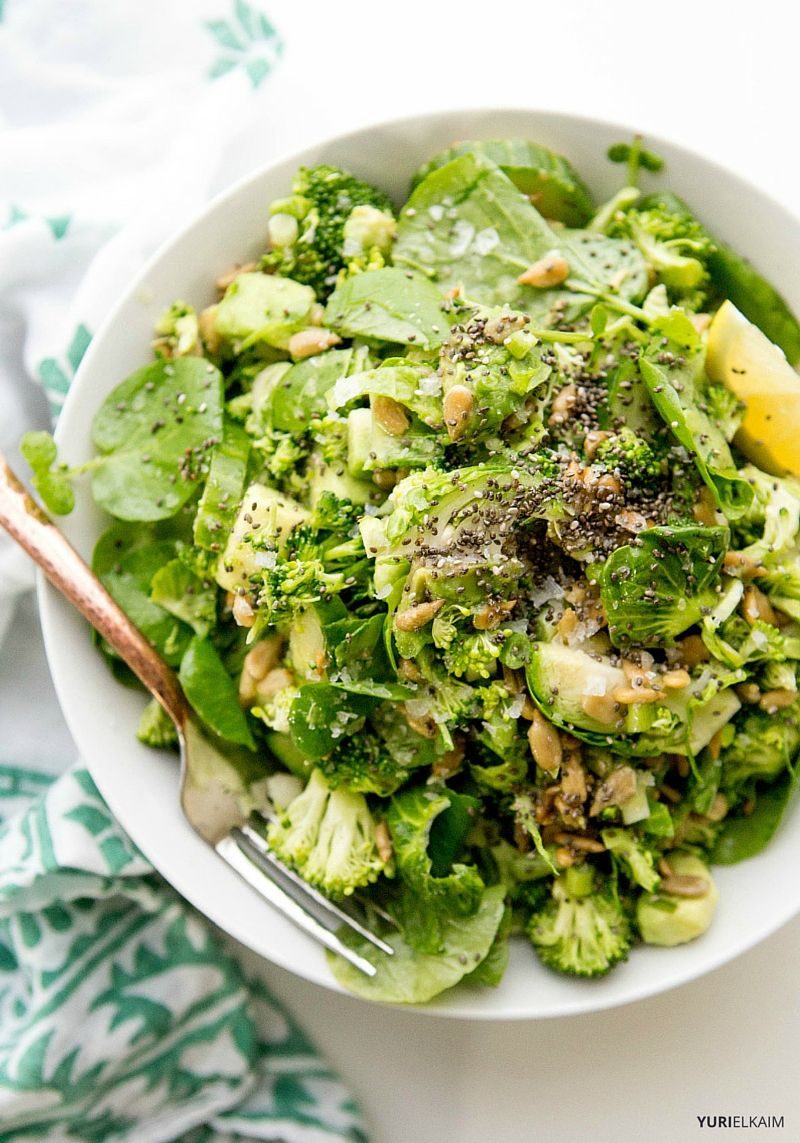
Apple Cider Vinegar & Greens Detox Salad

You may want to try my Apple Cider Vinegar and Green Detox Salad recipe, where you can easily substitute the spinach, kale or watercress for beet greens.

2. Spinach – PRAL Score: -11.8

Spinach is another high alkaline food that is known to benefit bone health because of the calcium it contains.

Because spinach is highly alkalizing, it’s often included in anti-cancer and cleansing juicing protocols. There are endless creative and delicious ways to eat spinach.

I recommend giving any of these Easy Green Smoothie Recipes a try. Each smoothie only has 3 ingredients, with endless flavour combinations.

3. Kale – PRAL Score: -8.3

There’s a reason kale has been labelled as the new beef.

It’s high in plant iron, calcium and vitamin K, which is said to help protect against many types of cancers. In addition to these health benefits, kale is another one of the world’s most alkaline foods.

Kale has a mild taste that can jazz up any recipe. You can easily add kale to any smoothie recipe that calls for greens, stir fries, salads and soups for a (delicious) alkaline boost.
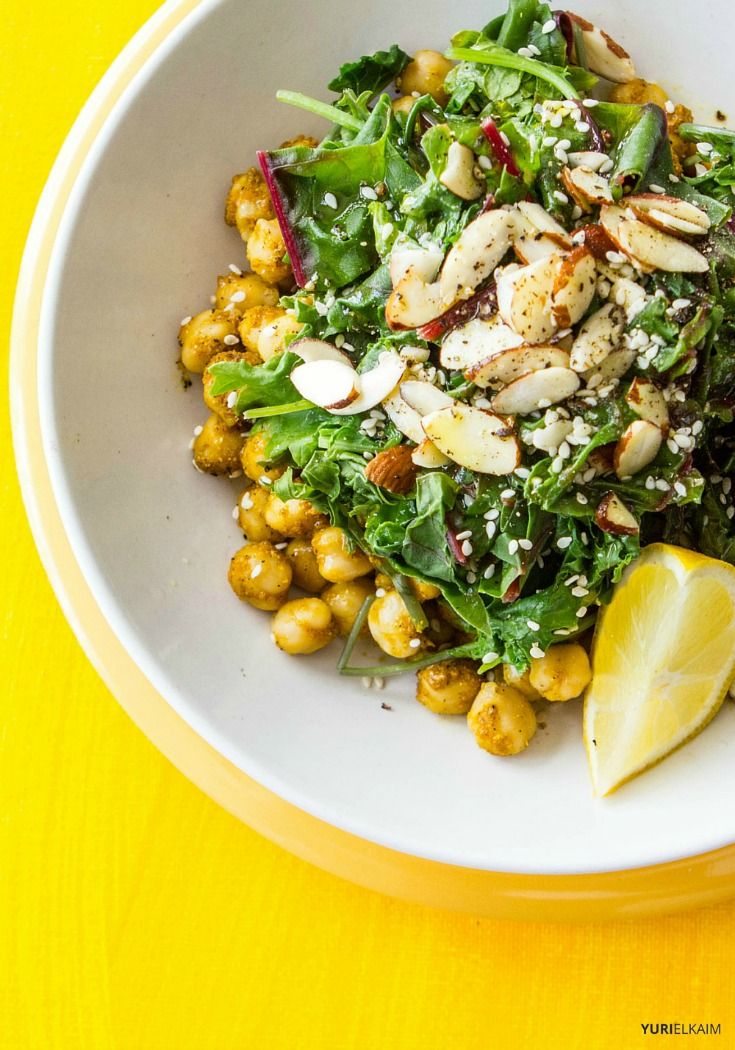
Curried Chickpea Salad Bowl

Why not get your kale on with this delicious Kale Curried Chickpea Salad Bowl recipe? It’s packed full of flavor and takes less than 20 minutes to prepare.

4. Swiss Chard – PRAL Score: -8.1

Have you noticed a pattern yet? The world’s most alkaline foods are leafy greens. Swiss chard is another green that provides mega nutrition benefits with vitamins that support cellular health, such as vitamin K.

Swiss chard also contains phosphorus and plant protein, but based on its PRAL score, it leaves behind more alkalizing minerals than acidity when metabolized.

I recommend using Swiss chard as hearty lettuce wraps, in any recipe that calls for a grain bun or tortilla.

The Kitchn has a great recipe for Swiss Chard Taco Wraps with Cumin Lime Sauce. Although I recommend avoiding the optional cheese to keep this dish highly alkaline.

5. Bananas – PRAL Score: -6.9

Bananas, aka “Potassium Sticks,” are another highly alkaline food that you won’t want to leave out of your diet. Bananas are also a great source of fiber, which help promote digestive regularity and sweep toxins out of the gastrointestinal (GI) tract.

While most people tend to avoid bananas to prevent weight gain due to their high sugar content, eating a banana is far better for you than eating a granola bar or some other processed food that’s packed full of sugar and acidifying ingredients.

One of the most delicious ways to include bananas in your diet is by making banana “nice cream,” which is simply just frozen bananas blended into a creamy consistency. The best part about banana nice cream is that you can jazz it up with other alkaline ingredients, such as fresh mint leaves and berries.

If you’re looking for some inspiration, here’s a recipe for my favourite Mint Cacao Chip Nice Cream.

6. Sweet Potato – PRAL Score: -5.6

Now you can feel better about eating sweet potato fries (in moderation).

Although they’re higher in starch, sweet potatoes are an alkalizing food that provides your body with plenty of fiber, vitamins, and minerals. Because sweet potatoes are so high in fiber, they have less of a negative impact on blood sugar levels, since fiber helps slow the release of sugar into the bloodstream.

Therefore, sweet potatoes are an excellent food when it comes to eating for energy and providing your body with a boost of alkaline nutrients.

3-Ingredient Sweet Potato Waffles

What better way to eat sweet potatoes, than in these 3-Ingredient Paleo Sweet Potato Waffles?

You may think of waffles as a breakfast item, but I recommend saving complex carbs for your evening meals instead. Why? Because contrary to popular belief, eating carbs at night can actually help promote weight loss and help you sleep better.

7. Celery – PRAL Score: -5.2

Aside from being alkalizing, celery has additional cleansing properties. Since it’s mostly water, celery can easily help the body flush toxins. Celery is also a “negative calorie” food, which means it takes more calories to chew and digest than the total amount of calories it contains.

I include celery in a variety of my green detox juice and smoothie recipes.

For a complete list my favourite no-fruit-added green juices, you can refer to my 7 Green Detox Juice Recipes right here.

8. Carrots – PRAL Score: -4.9

Carrots are a high-alkaline food that is famous for improving eyesight based on their vitamin A content.

In fact, 1 cup of carrots contains more than 300 percent of the daily recommended intake of beta-carotene, an antioxidant form of vitamin A. Beta-carotene can also help protect against cancer and help promote brighter, younger looking skin.

If you need some carrot inspiration, The Healthy Foodie blog has a delicious recipe with step-by-step instructions for a shredded coleslaw-esque Carrot Salad right here.

9. Kiwi – PRAL Score: -4.1

Kiwi is a high-alkaline food your cells won’t want to miss out on, because it also contains a plethora of antioxidants, vitamins and minerals.

And although oranges are famous for their vitamin C content, kiwi contains nearly five times the amount of vitamin C than an orange. Kiwi is also a great source of fiber for improved digestion, as well as potassium for muscle function.
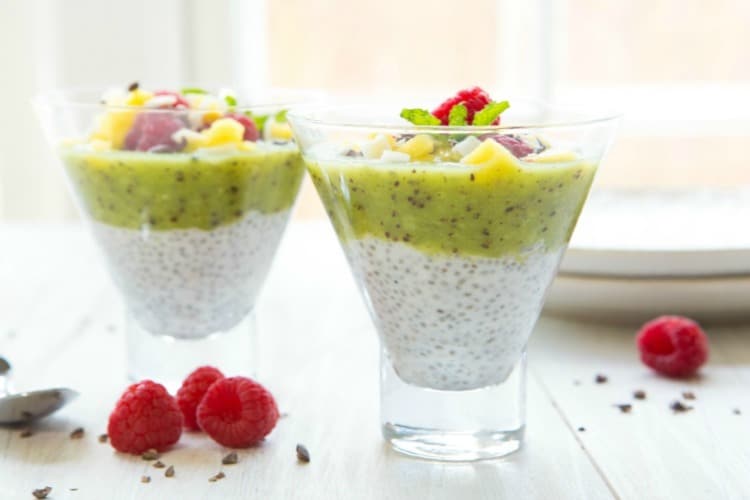
Tropical Kiwi and Chia Parfait

I feature kiwi as an ingredient in my Tropical Chia Pudding Parfait right here.

10. Cauliflower – PRAL Score: -4.0

Cauliflower is an alkaline food that can also aid in hormone rebalancing when the body’s estrogen levels are too high.

This is because cauliflower contains a nutrient called Indole-3-Carbinol (or I3C) that helps the body regulate estrogen levels. We come into contact with estrogen on a daily basis through estrogenic foods (such as soy), chemicals in our environment (such as plastics) and pharmaceuticals drugs (such as oral contraceptives) (9).

High levels of estrogen are harmful to the body and can lead to weight gain, digestive symptoms such as bloating, as well as reproductive cancers and infertility.

A fun way and delicious way to eat more cauliflower is with this Slow Cooker Cauliflower Fried Rice.

11. Cherries – PRAL Score: -3.6

Cherries are known as one of the world’s best sources of antioxidants such as anthocyanins, which may help prevent cancer. Studies also support that cherries can help relieve inflammation linked to joint pain and arthritis, and may even prevent cardiovascular disease (10).
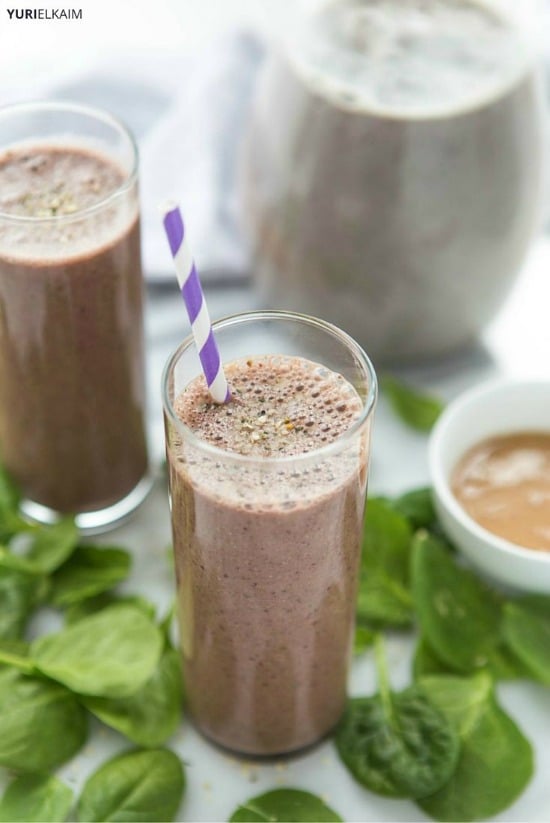
Peanut Butter and Cherry Protein Shake

Cherries blend well in smoothies, such as this blood-sugar-balancing Peanut Butter and Cherry Protein Shake. I recommend this recipe as a great post-workout shake because it contains both plant-based protein and alkalizing nutrients.

Ideally, a post-workout shake should always include alkaline foods. This is because lactic acid, a substance that naturally helps increase the body’s energy, is naturally released during intense exercise. As suggested by its name, lactic acid can make the body acidic, which is why it’s important to neutralize the acidity with alkaline foods after a workout.

12. Eggplant – PRAL Score: -3.4

In addition to being alkaline, eggplant is a food that offers phytonutrients such as chlorogenic acid. Chlorogenic acid isn’t acidifying to the body, rather it’s a plant compound that can help promote digestion and metabolism.

Eggplant is delicious when it’s baked in a little bit of extra virgin olive oil, and added to salads, or used as a substitute for pizza crust in this 10 Minute Eggplant Pizza recipe.

13. Pears – PRAL Score: -2.9

Pears are extremely high fiber and lower in sugar, which makes it a great fruit even for those who have blood sugar imbalances. Pears are also high in the antioxidant vitamin C, which helps protect cells from carcinogens.

Here’s a recipe for an easy to make Pear Walnut Salad with a Mustard Orange Dressing.

14. Hazelnuts – PRAL Score: -2.8

Most nuts have an acidifying effect, according to their PRAL scores. But hazelnuts are an exception.

So if you love nuts, they’re an ideal variety include in your diet in comparison to peanuts, which have a score of +8 and are highly acidic.

Hazelnuts are best known for their contribution to the infamous nut butter, Nutella. However, I recommend avoiding store-bought Nutella and making your own refined-sugar and additive-free version with Chocolate Covered Katie’s Healthy Nutella recipe.

15. Pineapple – PRAL Score: -2.7

Pineapple is an alkalizing food that’s so good for digestion that several supplements add it to their digestive-boosting formulas. This is because pineapple contains a digestive enzyme called bromelain. Bromelain is also said to be helpful for killing off intestinal parasites.
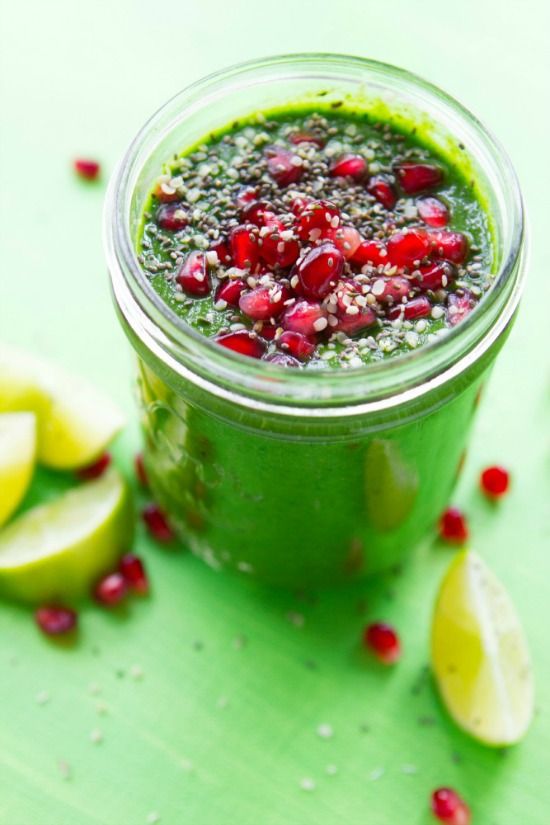
Super Green Cleansing Smoothie

You can add more pineapple to your diet in many different ways. It would pair especially well with the rest of the alkalizing ingredients in my recipe for this Super Green Cleansing Smoothie.

16. Zucchini – PRAL Score: -2.6

Zucchini is a great source of phytonutrients such as lutein. Lutein belongs to the same category of antioxidants as beta-carotene, which means it also has superior benefits when it comes to protecting eyesight.

Zucchini has become extremely popular as a low-carb, gluten-free and vegan pasta alternative. You can make zucchini pasta noodles using a Vegetti spiralizer that can be purchased online or found at your local home accessories store, for under $20.

My recipe for this One Pot Wonder Tomato Basil Pasta combines zucchini pasta noodles with vegetables, fresh basil and other aromatic, zesty spices. Not only is it an alkaline food recipe, but it’s also extremely easy to make (and tastes delicious, of course).

17. Strawberries – PRAL Score: -2.2

Strawberries are another extremely rich source of the antioxidant vitamin vitamin C. They also contain manganese, which is a trace mineral that’s needed to facilitate metabolic function in the body.
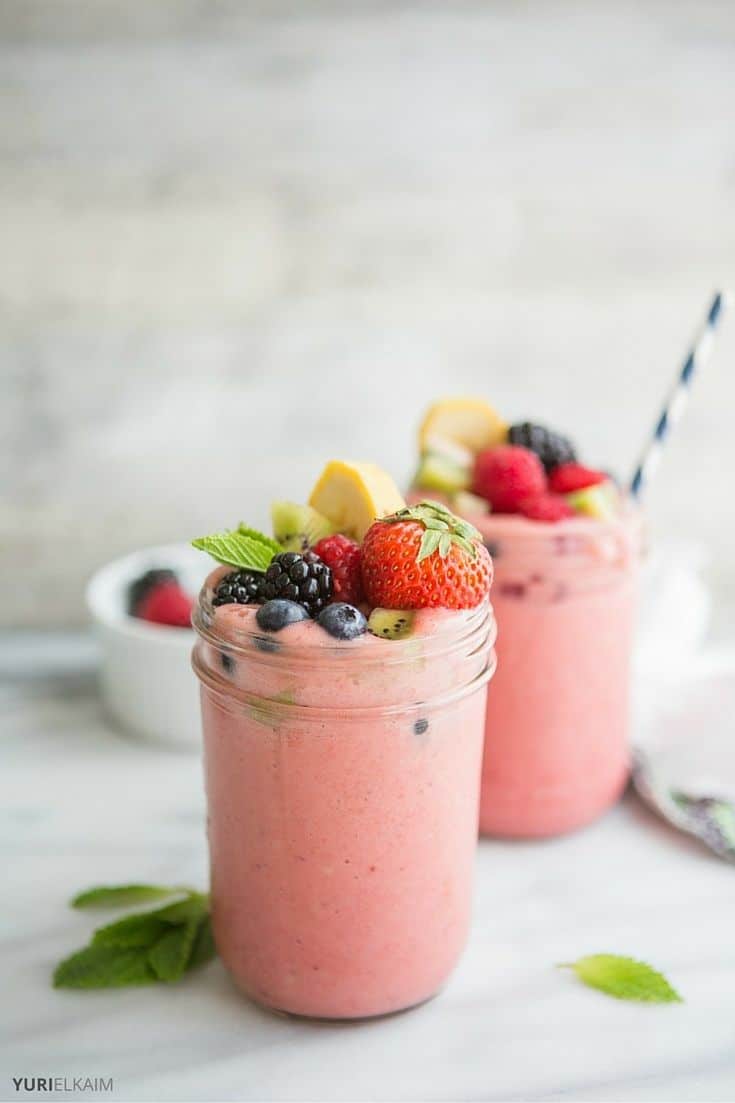
Banana and Strawberry Smoothie

The ways to enjoy strawberries are endless, as they can add just the right amount of sweet to any dish. I personally love using strawberries in this Strawberry Banana Smoothie recipe.

18. Apples – PRAL Score: -2.2

Apples have a reputation as one of the healthiest foods in the world, mostly because they’re so rich in detoxifying fiber and antioxidants such as vitamin C and flavonoids that protect against cancer. All of these nutrients are also essential for promoting healthy blood pressure and cholesterol.

To get even greater health benefits from apples, I recommend adding apple cider vinegar to your diet each day. When fermented to make vinegar, apples contain a nutrient called acetic acid, which offers antibacterial and antiviral benefits (11).

If you don’t like the taste of apple cider vinegar on its own or diluted with water, that’s okay. There are several ways to make apple cider vinegar taste so amazing, you won’t even notice the slightly sour taste.

This Apple Cider Vinegar Detox Soda Drinkrecipe is naturally sweetened with lemon and stevia, and makes the perfect healthy substitute for fizzy beverages that contain several teaspoons of refined sugar and other acidifying ingredients.

19. Watermelon – PRAL Score: 1.9

Lastly, watermelon is another alkalizing food that provides the body with essential electrolytes for cardiac function, such as potassium. Since watermelon is mostly water (hence the name), it also hydrates us more than most fruits and vegetables.

Watermelon makes a delicious snack on its own, but sometimes it’s fun to get creative.

Here’s a recipe for my Summer Watermelon Detox Juice  that is packed full of flavor with added ginger, jalapeno and honey.

Mainstream, Healthy, Alkaline Choices

As you can see, eating an alkaline diet doesn’t have to be extreme or difficult. Trying new plant based recipes, such as the ones listed above, are one of the easiest ways to start increasing the amount of alkalizing foods you incorporate in your diet each day.

From eating a highly alkaline diet, you can expect to receive more energy, better mental focus, a stronger immune system and an overall greater sense of well-being as you tackle life’s challenges each day.

Share Button

Piriformis Syndrome Exercises

Both stretching and strengthening exercises are important for treating and preventing piriformis syndrome.

Stretching exercises release spasm in the muscle and therefore pressure on the sciatic nerve whilst strengthening ensures the muscle is strong enough to cope with the demands placed on it, preventing the injury recurring. We also demonstrate below how foam roller exercises should be performed to help treat piriformis syndrome.

Stretching exercises

Due to the position of the piriformis muscle in the hip, static stretches are more appropriate. Static stretching is where the stretch is applied then held for a period of time. It is important the stretch is not forced by is applied gently. The piriformis muscle itself should be stretched on a daily basis and in the early stages at least 3 times a day may be required. In addition other stretching exercises for the groin and other buttock muscles will help ensure the joint is balanced.

Outer hip stretch – To stretch the muscles that rotate the hip outwards. Lie on your back and bend the knee of the leg to be stretched. Use the opposite hand to pull the knee over to the side as shown opposite. You should feel this in the hip and buttocks. Hold stretch for 20 to 30 seconds, repeat 3-5 times and stretch 3 times a day.

Piriformis stretch – Lay on your back and bend both knees with the feet flat on the floor. Place the outer foot of the leg you wish to stretch on the lower thigh/knee of the other leg. Grip behind the thigh and pull this knee in towards your chest. You should feel a stretch in the buttock. Hold this position for 30 seconds, repeat 3-5 times and stretch 3 times a day.

Another version of this stretch can be done standing up where the knee is placed under and across the body resting on a table. The patient then leans forward using bodyweight to increase the stretch.

Long adductor stretch – It is important to stretch the long aductor muscles which attach at the knee as well as the short adductor muscles which attach above the knee. Long adductor muscles need to be stretched with a straight leg. This can be done either sitting or standing. Short adductor muscles are stretched with the knees bent.

Short adductor muscle stretch – Sit on the floor and put the soles of your feet together. Use your elbows to apply a gentle downward pressure to your knees to increase the stretch. You should feel a stretch on the inside of the thigh. Hold this position for 30 seconds, repeat 3-5 times and stretch 3 times a day.

Muscle energy technique – With a partner lie on your front and get the partner to rotate the bent leg outwards (towards the horizontal) as far as it will comfortably go. Then the athlete applies gentle pressure at about 25% effort to try and return the leg to the vertical. The partner resists this movement.

Hold this pressure for about 10 seconds and then relax. The partner then moves the leg further to stretch the muscle and holds this position for 30 seconds. Repeat this process until you get no further improvements in mobility. This is an excellent stretching method and has produced some exceptional and instantaneous results. This should only be done by trained therapists.

Foam roller exercises for piriformis syndrome

The foam roller is used to apply deep tissue mayofascial release massage to the muscle. One leg is placed across the other to put the muscle on stretch. The athlete then moves over the roller in a slow and controlled manor working backwards and forwards along the length of the muscle. This may be mildly uncomfortable but should not be painful. If you are not able to perform the exercise and keep the muscle relaxed then try performing the exercise a little more lightly. The aim is to relax the muscle and if it is tightening up through pain it is not working.

Strengthening exercises

Strengthening the piriformis muscle itself and also the other hip abductor muscles can be helpful in preventing piriformis syndrome recurring.

Resistance band abduction – Stand with one end of the band tied around the ankle and the other end attached to a fixed object, close to the floor. Move the leg out to the side, away from the body, keeping the knee straight. Once you get as far as is comfortable, slowly return the leg back to the center. Repeat 15 times and gradually build this up to 2 sets of 20

Side lying clam exercise – Lay on your side with the hip to be worked on top. Bend your knees and position them forwards so that your feet are in line with your spine. Make sure your top hip is directly on top of the other and your back is straight. Keeping the ankles together, raise the top knee away from the bottom one.

Remember, don’t move your back or tilt your pelvis, all the movement should be coming from the hip. Slowly return it to the starting position. Repeat 15 times initially and gradually build this up to 2 sets of 20.

Hip extension exercise – Position yourself on all fours. Shift your weight slightly off the leg to be worked. Keeping the knee bent, raise the knee off the floor so that the sole of the foot moves towards the ceiling. Slowly lower the leg, almost back to the starting position and repeat. Repeat 15 times initially and gradually build this up to 2 sets of 20.

Share Button

Foods to avoid if you have gout.

Hyperuricemia can occur either when the body produces too much uric acid or when the body does not excrete enough uric acid

Purine compounds, whether produced in the body or from eating high-purine foods, can raise uric acid levels. Excess uric acid can produce uric acid crystals, which then build up in soft tissues and joints, causing the painful symptoms of gout.

Dietary management focuses on reducing the amount of uric acid in the system and on managing the disorders that occur frequently among patients with gout, including diabetes mellitus, obesity, hyperlipidemia (high blood levels of fats), hypertension and atherosclerosis (hardening of the arteries).

Dietary Management of Gout

The primary dietary modification traditionally recommended is a low-purine diet. Avoiding purines completely is impossible, but strive to limit them. People with gout should learn by trial and error what their personal limit is and which foods cause problems.

“Begin by eliminating foods in the ‘high-purine’ category while reducing your intake of foods in the ‘moderate-purine’ category. If you don’t have gout attacks after trying this, you may add more foods from the ‘moderate’ category or occasionally try a food from the ‘high’ category. Using these guidelines, you may be able to determine a safe level of purine consumption and enjoy some of your favorite foods without experiencing attacks.”

High-Purine Foods Include:

  • Alcoholic beverages (all types)
  • Some fish, seafood and shellfish, including anchovies, sardines, herring, mussels, codfish, scallops, trout and haddock
  • Some meats, such as bacon, turkey, veal, venison and organ meats like liver

Moderate Purine Foods Include:

  • Meats, such as beef, chicken, duck, pork and ham
  • Shellfish, such as crab, lobster, oysters and shrimp
Share Button

Get to Know Your Psoas Muscles

Get to Know Your Psoas Muscles

Most people have never heard of the psoas muscles, much less know where they are or how to pronounce the name (“SO-as”). Yet problems with these muscles often play a role in hip, groin, and low back pain. There are two of them, one on each side of the body. Each of these long, thick muscles originates deep in the abdominal cavity, from the sides of vertebrae in the lower half of the spine, and runs downward into the pelvis where it joins with another muscle (the iliacus) before attaching to the femur (thigh bone). Basically, the two psoas muscles connect the low back to the thighs, as shown in the illustration below.

As part of a group of muscles categorized as hip flexors, the psoas muscles’ primary action is to flex the hips in order to lift the thighs toward the torso, which allows you to run, walk uphill, and climb stairs, for example. They are vital for flexibility and movement of the back, pelvis, legs, and hips. And along with the core muscles, they help stabilize the spine.

If the psoas muscles become shortened or tight—from overuse or injury, for instance—they pull the small of the back forward, leading to excess curving (lordosis) of the lower back, which increases stress and pressure on the lumbar vertebrae. Sit­ting for hours on end, such as at work or in a car, is probably the most common contributor to shortening of the psoas muscles.

On the other hand, many athletes, including runners, soccer players, and cyclists, as well as dancers, end up with tight psoas muscles because they are prone to overuse them. Having tight psoas muscles reduces the length of your stride when you walk or run, since your hip can’t extend as much as it needs to, and the tightness can affect your performance in other ways as well.

Getting to the core of the problem

If you have low back, hip, or groin pain, there are many possible causes. A physical therapist, physiatrist, or other health care practitioner with expertise in musculoskeletal conditions can evaluate and treat you.


One quick test often used by these practitioners to deter­mine if a tight psoas, in particular, is contributing to the problem is called the Thomas test (see illustration below). This involves lying on your back on the exami­nation table with your knees hugging your chest; you then extend one leg at a time to see how far you can hang it off the end of the table (see illustration below).

If the muscle is tight, it won’t drop very far, and you will wind up arching your lower back in the attempt. It’s common to have imbalances such that the muscle on one side is fine, but its counterpart on the other side is tight. If you are not having acute pain or just want to check your psoas muscles yourself, you can try this test at home, lying on the floor or another firm surface and bringing one leg up to your chest while trying to keep the extended leg and the small of your back in contact with the floor.

Treating a tight psoas muscle is not a matter of simply stretching it, as discussed in a paperin the Orthopaedic Journal of Sports Medicine that focused on dancers. A physical therapy regimen should also include strengthening and stretching the surrounding muscles—includ­ing the abdominal, gluteal, hamstring, and piriformis muscles—along with range of motion, pelvic mobiliza­tion, and postural exercises that help counter any excess lumbar lordosis. It’s important to learn proper technique, since even slight alterations in the exercises can reduce their effectiveness.

The doctor or physical therapist should also review any lifestyle factors that may be contributing to the problem, such as prolonged sitting, poor posture, sleep­ing in a fetal position, and doing sit-ups incorrectly. Some physical therapists, physiatrists, and osteopathic physicians work on trigger points, which may be causing referred pain (see Dealing with Painful Trigger Points), and can show you techniques for doing self-release or massage of trigger points at home.

Help for your hip flexors

Many people, especially those who sit for prolonged periods, can ben­efit from stretching their psoas and other hip flexor muscles as part of a balanced exercise routine. Don’t wait until you start having pain to take action. Here are some tips:

  • Lying on the floor face up, flatten the small of your back (your thighs should not lift off the floor) and contract your abdominal muscles. Then bring one knee to your chest, keeping your lower back and extended leg on the floor (or as close to it as possible); hold for 30 seconds, repeat five times, then alternate with the other leg.
  • Other good exercises include the fencer’s stretch, modified lunges, and the half-kneeling psoas stretch. To do the half-kneeling stretch, as shown below, begin by kneeling on one leg. Squeezing the buttock muscle of the leg that’s in back, and keeping your tailbone tucked under, shift your hips forward a bit. You should feel the stretch deep in the front of the hip that’s positioned back. Hold for 20 to 30 seconds, then switch legs. Repeat 2 or 3 times a day.

  • Several yoga poses stretch and strengthen the psoas muscles, including the warrior pose. For examples, go to How to Stretch and Strengthen the Psoas.
  • If you engage in a lot of hip-flexor-heavy exercise (like cycling or running), replace some with exercises that have a hip-extension effect (such as skating or cross-country skiing).
  • If you do sit-ups, don’t hook your ankles under something, since that adds strain to the psoas. Instead, keep your knees and hips flexed at 90 degrees (a neutral pelvic position) when doing the sit-ups. This concentrates the contraction on the abs (which is what you want anyway).
  • Limit sitting time, especially in a leaning-forward position. You might consider a workstation that allows you to alternate between sit­ting and standing. Or at least take frequent standing breaks.
Share Button

Antioxidant Foods

When certain types of oxygen molecules are allowed to travel freely in the body, they cause what’s known as oxidative damage, which is the formation of free radicals. When antioxidant levels in the body are lower than that of free radicals — due to poor nutrition, toxin exposure or other factors — oxidation wreaks havoc in the body. The effect? Accelerated aging, damaged or mutated cells, broken-down tissue, the activation of harmful genes within DNA, and an overloaded immune system.

The Western lifestyle — with its processed foods, reliance on medications, and high exposure to chemicals or environmental pollutants — seems to lay the foundation for the proliferation of free radicals. Because many of us are exposed to such high rates of oxidative stress from a young age, more than ever we need the power of antioxidants, which means we need to consume high antioxidant foods.


What Are Antioxidants? 

While there are many ways to describe what antioxidants do inside the body, one definition of antioxidants is any substance that inhibits oxidation, especially one used to counteract the deterioration of stored food products or removes potentially damaging oxidizing agents in a living organism.

Antioxidants include dozens of food-based substances you may have heard of before, such as carotenoids like beta-carotene, lycopene and vitamin C. These are several examples of antioxidants that inhibit oxidation, or reactions promoted by oxygen, peroxide and/or free radicals. Research suggests that when it comes to longevity and overall health, some of the benefits of consuming antioxidant foods, herbs, teas and supplements include:

  • Slower signs of aging, including of the skin, eyes, tissue, joints, heart and brain
  • Healthier, more youthful, glowing skin
  • Reduced cancer risk
  • Detoxification support
  • Longer life span
  • Protection against heart disease and stroke
  • Less risk for cognitive problems, such as dementia
  • Reduced risk for vision loss or disorders like macular degeneration and cataracts
  • Antioxidants are also added to food or household products to prevent oxidation and spoilage

Why do we need antioxidants, and what do specific antioxidants do inside the body once consumed?  

Antioxidant sources, like antioxidant foods, herbs, spices and teas, reduce the effects of free radicals, also called oxidative damage/stress, which plays a major role in disease formation. The leading health problems facing us today — including conditions like heart disease, cancer and dementia — have been linked to increased levels of oxidative damage and inflammation. In simplest terms, oxidation is a chemical reaction that can produce free radicals, leading to other chemical chain reactions that damage cells.

According research published in Free Radical Biology & Medicine, the official journal of the Society for Redox Biology and Medicine along with the Society of Free Radical Research-Europe, proteins are often targeted by reactive oxygen species, also known as oxidants. We know how important proteins are to health, so protecting them is just one of the many reasons antioxidants and antioxidant foods are important.

Sources of antioxidants in your diet offer much-needed help in counteracting the damage done by things like blue light or sun exposure, a poor diet, smoking or using other drugs, taking medications, toxicity or chemical exposure, even high amounts of stress and other natural factors that increase the risk of age-related problems. In the process of fighting free radical damage, antioxidants protect healthy cells while halting the growth of malignant or cancerous cells.

History of Antioxidants Knowledge and Their Usage

It’s not exactly agreed upon who first “discovered” antioxidants. Antioxidants have been dated in medical literature to the early 19th and 20th centuries, but researchers and health experts have been discussing them for much longer. Each antioxidant has its own unique history of discovery. Some, such as vitamin C and vitamin E, were first researched by doctors, such as Henry A. Mattill during the 1920s–1950s, used to explain why animals fed whole foods lived longer and remained healthier.

Joe McCord is another researcher credited with discovering the function of antioxidant enzymes like superoxide dismutase, mostly by mistake, and noting how all organisms held these beneficial compounds inside their bodies but less so as they aged.

Today, the level of antioxidants in any substance or food is evaluated with an ORAC score, which stands for “oxygen radical absorption capacity. ORAC tests the power of a plant to absorb and eliminate free radicals. These measurements were developed by the National Institute of Aging and are based on 100 grams of each food or herb. While ORAC scores are no longer available via the National Institutes of Health, you can still find many of them on Superfoodly.

Most common fruits, vegetables and herbs in the diet that contain antioxidants include forms like vitamin E, lutein, vitamin C, beta-carotene, flavonoids and lycopene. While there is currently no official recommended daily allowance for antioxidants or antioxidant foods, generally speaking the more you consume each day from real foods in your diet the better.


Top 10 High Antioxidant Foods List

Antioxidants may be easier to add to your diet than you might think. Based on ORAC scores provided by Superfoodly (based on research from a broad number of sources), below are some of the top antioxidant foods by weight:

  1. Goji berries4,310 ORAC score
  2. Wild blueberries9,621 ORAC score
  3. Dark chocolate20,816 ORAC score
  4. Pecans: 17,940 ORAC score
  5. Artichoke (boiled): 9,416 ORAC score
  6. Elderberries14,697 ORAC score
  7. Kidney beans: 8,606 ORAC score
  8. Cranberries9,090 ORAC score
  9. Blackberries: 5,905 ORAC score
  10. Cilantro5,141 ORAC score

The ORAC scores above are based on weight. This means that it might not be practical to eat high amounts of all of these antioxidant foods. Other high antioxidant foods not listed above, which are still great sources and highly beneficial, include common foods like tomatoes, carrots, pumpkin seeds, sweet potatoes, pomegranates, strawberries, kale, broccoli, grapes or red wine, squash, and wild-caught salmon. Try to consume at least three to four servings daily of these high antioxidant foods (even more is better) for optimal health.


Top 10 Antioxidant Herbs List

Along with antioxidant foods, certain herbs, spices and essential oils derived from nutrient-dense plants are extremely high in healing antioxidant compounds. Here is another list of the herbs you can try adding to your diet for increased protection against disease. Many of these herbs/spices are also available in concentrated essential oil form. Look for 100 percent pure (therapeutic grade) oils, which are highest in antioxidants.

  1. Clove:314,446 ORAC score
  2. Cinnamon267,537 ORAC score
  3. Oregano159,277 ORAC score
  4. Turmeric102,700 ORAC score
  5. Cocoa: 80,933 ORAC score
  6. Cumin76,800 ORAC score
  7. Parsley (dried): 74,349 ORAC score
  8. Basil67,553 ORAC score
  9. Ginger28,811 ORAC score
  10. Thyme27,426 ORAC score

Other antioxidant-rich herbs include garlic, cayenne pepper and green tea. Aim to consume two to three servings of these herbs or herbal teas daily.

Top 10 High Antioxidant Supplements

The American Heart Association, along with the Mayo Clinic and Cleveland Clinic, recommend getting antioxidants from whole foods and a wide variety of foods. While it’s always ideal, and usually more beneficial, to get antioxidants or other nutrients directly from real food sources, certain types may also be helpful when consumed in supplement form.

There’s still debate over which antioxidants may offer help preventing or treating diseases when consumed in concentrated dosages. Some research has shown that antioxidants like lutein and glutathione may be beneficial when taken in supplement form — for example, in preventing vision loss, joint problems or diabetes. But other research doesn’t always show the same results and sometimes even that certain supplements like vitamin A or vitamin C may be harmful in high amounts.

So just remember that while they might help you in certain instances, overall it doesn’t seem that consuming supplemental antioxidants help you live longer. That’s where your diet and lifestyle come in. Bottom line: We should neverrely on supplements to counteract unhealthy lifestyles and poor nutrition.

If you’re generally healthy and eat a varied diet, you might not benefit much from taking antioxidants supplements. However, if you’re at risk for something like vision loss or heart disease, talk to your doctor about whether the following antioxidant supplements in proper doses (and with a healthy lifestyle) might be helpful:

1. Glutathione

Glutathione is considered the body’s most important antioxidant because it’s found within the cells and helps boost activities of other antioxidants or vitamins. Glutathione is a peptide consisting of three key amino acids that plays several vital roles in the body, including helping with protein use, creation of enzymes, detoxification, digestion of fats and destruction of cancer cells.

According to Antioxidants & Redox Signaling, “Glutathione peroxidase-1 (GPx-1) is an intracellular antioxidant enzyme that enzymatically reduces hydrogen peroxide to water to limit its harmful effects.” What does this mean? It means glutathione peroxidase can  prevents lipid peroxidation, which can fight inflammation (3a)

2. Quercetin

Derived naturally from foods like berries and leafy greens, quercetinseems to be safe for almost everyone and poses little risks. Most studies have found little to no side effects in people eating nutrient-dense diets high in quercetin or taking supplements by mouth short term.

Amounts up to 500 milligrams taken twice daily for 12 weeks appear to be very safe for helping manage a number of inflammatory health problems, including heart disease and blood vessel problems, allergies, infections, chronic fatigue, and symptoms related to autoimmune disorders like arthritis.

3. Lutein

Lutein has benefits for the eyes, skin, arteries, heart and immune system, although food sources seem to be generally more effective and safer than supplements. Some evidence shows that people who obtain more lutein from their diets experience lower rates of breast, colon, cervical and lung cancers.

4. Vitamin C

Known for improving immunity, vitamin C helps protect against colds, the flu, and potentially cancer, skin and eye problems.

5. Resveratrol

Resveratrol is an active ingredient found in cocoa, red grapes, and dark berries, such as lingonberries, blueberries, mulberries and bilberries. It’s a polyphonic bioflavonoidantioxidant that’s produced by these plants as a response to stress, injury and fungal infection, helping protect the heart, arteries and more.

6. Astaxanthin

Astaxanthin is found in wild-caught salmon and krill and has benefits like reducing age spots, boosting energy levels, supporting joint health and preventing symptoms of ADHD.

7. Selenium

Selenium is a trace mineral found naturally in the soil that also appears in certain foods, and there are even small amounts in water. It supports the adrenal and thyroid glands and helps protect cognition. It may also fight off viruses, defend against heart disease and slow down symptoms correlated with other serious conditions like asthma.

8. Lavender Essential Oil

Lavender oil reduces inflammation and helps the body in many ways, such as producing important antioxidant enzymes – especially glutathione, catalase and superoxide dismutase.

9. Chlorophyll

Chlorophyll is very helpful for detoxification and linked to natural cancer prevention, blocking carcinogenic effects within the body, and protecting DNA from damage caused by toxins or stress. It’s found in things like spirulina, leafy green veggies, certain powdered green juices and blue-green algae.

10. Frankincense Essential Oil

Frankincense oil has been clinically shown to be a vital treatment for various forms of cancer, including breast, brain, colon and prostate cancers. Frankincense has the ability to help regulate cellular epigenetic function, which positively influences genes to promote healing. Rub frankincense essential oil on your body (neck area) three times daily, and take three drops internally in eight ounces of water three times daily as part of a natural prevention plan.

Other substances with antioxidant activity include cysteine, alpha tocopherol and more.


Top Health Benefits of Antioxidant Foods

1. Slow the Effects of Aging by Reducing Free Radical Damage

As described above, the single most important benefit of antioxidants is counteracting free radicals found inside every human body, which are very destructive to things like tissue and cells. Free radicals are responsible for contributing to many health issues and have connections to such diseases as cancer and premature aging of the skin or eyes.

What do free radicals do exactly, and why are they so destructive? The body uses antioxidants to prevent itself from the damage caused by oxygen. Electrons exist in pairs; free radicals are missing an electron. This is their weapon of sorts. They “react” with just about anything they come into contact with, robbing cells and compounds of one of their electrons. This makes the affected cell or compound unable to function and turns some cells into “electron-seeking muggers,” leading to a chain reaction in the body and the proliferation of free radicals. Free radicals then damage DNA, cellular membranes and enzymes.

2. Protect Vision and the Eyes

The antioxidants vitamin C, vitamin E and beta-carotene have all been shown to have positive effects on preventing macular degeneration, or age-related vision loss/blindness. Many foods that provide these nutrients also supply antioxidants called lutein and zeaxanthin, nicknamed the eye vitamins, and found in brightly colored foods like fruits and vegetables — especially leafy greens and types that are deep orange or yellow.

These antioxidants are believed to be easily transported around the body, especially to the delicate parts of the eyes called the macula and the lens. In fact, there are more than 600 different types of carotenoids found in nature, but only about 20 make their way into the eyes. (4) Of those 20, lutein and zeaxanthin are the only two that are deposited in high quantities into the macular portion of the eyes, which is one of the earliest to be damaged during aging.

Based on concentrations of things like lutein and other carotenoids, examples of antioxidant foods that protect vision include spinach, kale, berries, broccoli and even egg yolks. Research shows that high-lutein sources like spinach are proven to help decrease eye related degeneration and improve visual acuity. (5) Similarly, flavonoid antioxidants found in berries, such as bilberries or grapes (also a great source of the antioxidant resveratrol), may be especially beneficial at supporting vision into older age.

3. Reduce the Effects of Aging on the Skin 

Perhaps most noticeably, free radicals speed up the aging process when it comes to the appearance and health of your skin. Antioxidants may help combat this damage, especially from eating sources high in vitamin C, beta-carotene and other antioxidants.

Vitamin A and C have been connected to a decrease in the appearance of wrinkles and skin dryness. Vitamin C, specifically, is a powerful antioxidant that can help reduce the effect of oxidative damage caused by pollution, stress or poor diet. Vitamin A deficiency has also been linked to skin dryness, scaling and follicular thickening of the skin. Similarly to how free radicals damage surface skin cells, keratinization of the skin, when the epithelial cells lose their moisture and become hard and dry, can occur in the mucous membranes of the respiratory, gastrointestinal tract and urinary tract.

4. Help Prevent Stroke and Heart Disease

Since antioxidants help prevent damage of tissues and cells caused by free radicals, they’re needed to protect against heart disease and stroke. At this point, the data does not show that all antioxidants are effective in protecting against heart disease, but some, such as vitamin C, do seem to be.

The American Journal of Clinical Nutrition featured a study that found those with high levels of vitamin Cin their blood had almost a 50 percent decreased risk of stroke. Countless studies also have found that people who consume highly plant-based diets — loaded with things like fresh veggies, herbs, spices and fruit — have a better chance of living longer and healthier lives with less heart disease.

The Department of Preventive Medicine & Public Health at University of Navarra states, “Fruits and vegetables are dietary sources of natural antioxidants and it is generally accepted that antioxidants in these foods are key in explaining the inverse association between fruits and vegetables intake and the risk of developing a cardiovascular event or having elevated levels of cardiovascular risk factors.” However, when it comes to heart health, certain studies have found that using vitamin E or beta-carotene supplements should be “actively discouraged” because of the increase in the risk of heart-related mortality, so be careful when it comes to vitamin E or carotene supplementation.

5. May Help Decrease Risk of Cancer

Studies have found that high intakes of vitamin A, vitamin C and other antioxidants could help prevent or treat several forms of cancer thanks to their ability to control malignant cells in the body and cause cell cycle arrest and apoptosis (destruction) of cancer cells. Retinoic acid, derived from vitamin A, is one chemical that plays important roles in cell development and differentiation as well as cancer treatment.

Lung, prostate, breast, ovarian, bladder, oral and skin cancers have been demonstrated to be suppressed by retinoic acid. (9) Another study collected numerous references demonstrating the findings of retinoic acid in protection against melanoma, hepatoma, lung cancer, breast cancer and prostate cancer. However, there’s evidence indicating that the benefits of chemicals like retinoic acid are safest when obtained from food naturally, rather than supplements.

6. Can Help Prevent Cognitive Decline, Such as Dementia or Alzheimer’s Disease

Oxidative stress is believed to play a central role in the pathogenesis of neurodegenerative diseases, but a nutrient-dense diet seems to lower one’s risk. The Journal of the American Medical Association of Neurology reports that higher intake of foods rich in antioxidants, such as vitamin C and vitamin E, may modestly reduce long-term risk of dementia and Alzheimer’s.

Many studies have found that people eating plant-based diets high in antioxidants, such as the Mediterranean diet, have better protection over cognition.


Are There Any Antioxidant Precautions or Side Effects?

Just like any other supplement, it doesn’t seem that it’s beneficial or even necessarily safe to consume high doses of antioxidants in supplement form. For example, because during exercise oxygen consumption can increase by a factor of more than taking high doses of antioxidants might interfere with proper exercise recovery. Other research has shown that high-dose antioxidant supplementation may interfere with the cardiovascular benefits of exercise, have negative effects on the body’s natural anti-cancer activities, and affect how the body balances levels of different chemicals and nutrients on its own.

When it comes to protection against things like cancer or heart disease, overall the medical literature seems conflicting. Although some studies found a positive relationship between antioxidant supplementation and risk reduction, others have not found such positive effects. To be safe, always follow directions carefully and speak with your doctor if you’re unsure of whether or not a supplement is right for you. And to remain your healthiest into older age, aim to reduce free radical load in your body by practicing things like:

  • avoiding environmental pollutants in water
  • reducing chemical exposure in household and cosmetic products
  • limiting intake of processed and refined foods
  • limiting intake of pesticide and herbicide-laden foods
  • limiting intake of antibiotic and hormone-laden foods
  • avoiding overuse of medications
  • reducing stress
  • getting moderate amounts of exercise
  • using natural, cold-pressed oils (heat oxidizes fats in refined oils)

Final Thoughts on Antioxidants and High Antioxidant Foods

  • Antioxidants inhibit oxidation in the body, also called free radical damage, which is tied to stress.
  • We get most antioxidants from our diets, which help counteract effects of an unhealthy lifestyle, such as accelerated aging, damaged or mutated cells, broken-down tissue within the skin or eyes, the activation of harmful genes within DNA, and low immunity.
  • Some noteworthy high antioxidant foods, herbs and supplements include leafy green veggies, artichokes, cocoa, wild berries, green tea, cinnamon, clove, sea vegetables like kelp, spirulina, quercetin or lutein supplements, and essential oils like lavender and frankincense.
Share Button

Flying with a common cold

A cold is proper cause for taking the responsible action of voluntarily and temporarily grounding yourself from flying. I’ve suffered the pain and distress of bilateral haemotympanum (that’s bleeding into the ear drums of both ears, the stage before perforation or rupture of the eardrums) during an aerobatic spin sequence when, unknowingly, I was brewing a cold. I’ve also seen usually stout military aircrew reduced to tears of pain during descent because having a cold rendered them unable to clear the pressure in their facial sinuses. Although a minor ailment to most folk a cold is a potential disaster to aviators (and those that fly with us).

What is a cold ? A cold is an infection, caused by any one of a hundred or so related rhinoviruses. It usually takes one or two days for a cold to incubate or brew once you’ve ‘caught’ it.

The first symptoms you notice are usually tiredness and irritability along with a tickly, scratchy throat, blocked or runny nose, and a mild headache. The runny nose (rhinorrhoea) usually increases over the next couple of days and then settles rather rapidly as the whole illness resolves. Bouts of sneezing may also occur. A fever is unusual during the common cold. A small number of people (around 1 – 2%) will develop bronchitis at the same time and have a cough that produces quantities of sputum (phlegm).

Most of us use the word ‘cold’ in reference to any illness or infection of the nose, throat, ears, and lungs that involves a runny nose or mild cough. Many other viruses are also able to cause diseases similar to the common cold. The illness caused by these other viruses is often more severe than a common cold and may involve quite marked cough, fever, sore throat, or even pneumonia.

The common cold, along with any of the above mentioned viral upper respiratory tract infections, is often more severe in children.


You won’t be surprised to hear that colds are more common in the Winter and Autumn. Nobody is certain why this is the case but it may have something to do with the increased time we all spend indoors close to other people during the colder months.

For the purpose of this article I’m not going to distinguish between all of these related but different illnesses. I’m simply going to use the word ‘cold’ to denote any, or all, of the above – after all they have similar relevance to aviators.

What happens during the infection? The offending virus usually gains access to your body through the lining tissues of your upper airways, especially the nose or throat. It invades the cells there and sets about doing what viruses do best, trying to produce more of its kind and send them forth into the world to infect other cells and produce even more viruses. To do this the virus must hijack machinery and equipment within the cell. This machinery is reserved for the cell’s privileged use and the hijacking may set off alarms and alert the body’s defence (or immune) system.

As the virus multiplies the cell may rupture and millions of new viruses spill into the bloodstream or nearby tissues. This release of new viruses may also alert the immune system’s equivalent of ‘customs and immigration’, ever watchful for viruses without visas. The release of new viruses causes the cell to die and the immune ‘homicide squad’ may also be called.

The alerted immune system then mobilizes to seek and destroy all viruses, bits of viruses, and hijacked, infected cells. This is usually achieved rapidly and the illness rarely lasts much longer than a few days. This response almost invariably results in swelling of the infected areas as the battle rages between the immune system and the infecting virus.

Once a virus has been vanquished the immune system ‘remembers’ it, and is able to recognize its closer relatives, for a time. It is still possible for a not-so-closely-related virus to cause another cold soon afterwards and the memory eventually fades so that the same virus may again cause a cold some time in the future.

You can spread a cold to others because as you breath out virus particles may leave your nasal area in the air or within tiny fluid droplets. If someone near you breaths in some of the virus particles the whole process may start afresh in their nasal passages.

How can a cold affect flying ? The two features of a cold that are most important to aviators are the overflow of new viruses into the bloodstream and the swelling of nose and throat tissues.

The first of these, the release of new viruses from their host cell into the body is often called the “viraemic phase”. This viraemic phase usually results in the headaches and general feeling of tiredness, lethargy, and unwellness  that is usually associated with a cold.

Anything that makes you feel tired and unwell is a distraction from flying and may well impair your decision making abilities at a critical moment. The viraemic phase of a cold is no exception and our mental and physical performance is always impaired. As aircrew we can ill afford any impairment of our performance that may affect our safety and that of the craft we fly and those that choose to fly with us.

As the tissues lining the nasal area swell the tiny openings to the ears (eustachian tubes) and the sinuses (ostia) become narrowed and may close over. Closure of these small tissue lined tubes makes ear and sinus pressure equalization difficult or impossible. Inability to equalize our ears and sinuses during ascent or descent may result in pain and tissue damage. The term barotrauma (as in barometer) is used to refer to these pressure related tissue damage.


The pain of sinus and ear barotrauma can be of crippling intensity leaving the sufferer unable to devote attention to the task of flying. The tissue damage, which could include rupture of the ear-drums or the filling of a sinus with blood, may adversely affect our short and long term “fitness to fly”. It’s really not worth the risk.

What can you do ? The first action for an aviator with a cold is the simplest but often the most difficult. When you have a cold you are most certainly not fit to fly. It’s as simple as that, the risks are just not worth it. To fly whilst suffering a cold a professional aviator would be exposing his passengers, cargo, and employer to an added, avoidable risk while a sports aviator exposes himself, his passengers, and his craft to the same unnecessary risks.

As an air passenger you are still exposed to the same risks during a cold. It is unlikely, though, that as a passenger you could cause the wreck of an aircraft or the injury of others. Should you choose to travel by air as a passenger while you’ve got a cold there’s a few things you might find useful knowing.

There is no cure  for the common cold! Our immune system is the only avenue we have for ridding our body of the cold virus. To function at its peak our immune system must be maintained by a sensible and well balanced diet. Large doses of vitamins or mineral supplements do not cure the common cold. The body also requires adequate rest for its immune system to remain in peak condition.

Antibiotics do not cure colds! Viruses are immune to antibiotics. It is only when the cold is likely to become complicated with a second, overlapping bacterial infection that antibiotics have any place at all in the management of colds. Anyone healthy enough to maintain an aircrew licence is extremely unlikely to suffer any bacterial complications of a common cold.

It is only if the cold symptoms are sufficiently severe that medication has any place in the treatment of a cold. Even then the only effect that medicine will have is some relief of the symptoms. Medication can’t cure or dispel a cold. Aspirin or Paracetamol will help to relieve a headache or sore throat and may settle a mild fever. Decongestants (8) will reduce some of the swelling of the nasal lining tissues and may make it easier to equalize the ears or sinuses. It may also be possible to relieve an irritating cough with a cough mixture or tablets.

•A COLD IS AN UPPER RESPIRATORY TRACT INFECTION CAUSED BY ANY OF A LARGE NUMBER OF VIRUSES.

•THERE IS NO CURE FOR A COLD, THE BODY’S IMMUNE SYSTEM MUST BE ALLOWED TO FIGHT THE INFECTION.

•ADEQUATE REST AND A SENSIBLE DIET ARE THE BEST WAYS TO HELP YOUR IMMUNE SYSTEM.

•FLYING WITH A COLD IS JUST NOT WORTH THE RISK


Share Button

Artificial Sweeteners Cause Cancer

Splenda May Increase Risk of Cancer in MiceThe researchers fed mice Splenda beginning prenatally and continuing for their entire lifespan. The mice were fed varying concentrations of the artificial sweetener: 0 ppm (parts per million), 500 ppm, 2,000 ppm, 8,000 ppm or 16,000 ppm.

A significant increase in cancerous tumors was seen among male mice, and the risk increased along with the dose. The risk of leukemia in male mice also significantly increased, especially at Splenda doses of 2,000 to 16,000 ppm.

According to the study: “These findings do not support previous data that sucralose is biologically inert. More studies are necessary to show the safety of sucralose, including new and more adequate carcinogenic bioassay on rats. Considering that millions of people are likely exposed, follow-up studies are urgent.”

CSPI explained that the only other long-term feeding studies conducted on Splenda were conducted by its manufacturer. 

The new study, they said:

” … [I]s more powerful than the industry-funded studies, which tested fewer animals, started exposing the animals beginning at adolescence as opposed to in utero, and ended earlier in the animals’ lives.”

After more than a decade, CSPI has finally gotten it right about Splenda in recommending that consumers avoid it. For the record, however, CSPI is generally an organization whose guidelines need to be taken with a grain of salt.

For instance, while recommending that people avoid artificial sweeteners like sucralose, aspartame and saccharin, they still consider drinking diet soda to be safer than drinking regular soda.

Splenda Is Found in 4,500 Products

If you’d like to heed the warnings and cut Splenda from your diet, be aware that it’s found in more than 4,500 products. Splenda has been smartly marketed, and it’s most known for its tag line “made from sugar so it tastes like sugar.”

It’s earned a reputation for being somehow safer than other artificial sweeteners like aspartame, which is why PepsiCo ditched aspartame in its Diet Pepsi in 2015 and replaced it with none other than Splenda.

Splenda became one of the top-selling artificial sweeteners in the U.S. in a very short period of time. Between 2000 and 2004, the percentage of U.S. households using Splenda products jumped from 3 percent to 20 percent. By 2012, Splenda generated sales of nearly $288 million.

Splenda is far from natural, even though it technically does start off as a sugar molecule. In the five-step patented process of making sucralose, three chlorine molecules are added to a sucrose or sugar molecule.

A sucrose molecule is a disaccharide that contains two single sugars bound together: glucose and fructose. The chemical process to make sucralose alters the chemical composition of the sugar so much that it is somehow converted to a fructose-galactose molecule.

This type of sugar molecule does not occur in nature, and therefore your body does not possess the ability to properly metabolize it. As a result of this “unique” biochemical make-up, the manufacturers claim that Splenda is not digested or metabolized by your body, making it have zero calories.

Splenda is supposed to pass right through you. However, the research (which is primarily extrapolated from animal studies) indicates that about 15 percent of sucralose is, in fact, absorbed into your digestive system and ultimately stored in your body.

Splenda May Decimate Your Gut Bacteria

If the potential cancer finding isn’t enough to sway you away from this toxic artificial sweetener, be aware that Splenda may wreak havoc on your gut bacteria, which could have an untold number of consequences on your health.

An animal study published in the Journal of Toxicology and Environmental Health, for instance, found that Splenda reduces the amount of beneficial bacteria in rat intestines by 50 percent while also increasing the pH level.

It also affected a glycoprotein that may affect the way certain drugs are metabolized by the body.

The researchers explained:

“At the end of the 12-wk treatment period, the numbers of total anaerobes, bifidobacteria, lactobacilli, Bacteroides, clostridia, and total aerobic bacteria were significantly decreased … Splenda also increased fecal pH

These changes occurred at Splenda dosages that contained sucralose at 1.1 to 11 mg/kg (the U.S. FDA Acceptable Daily Intake for sucralose is 5 mg/kg).

Evidence indicates that a 12-wk administration of Splenda exerted numerous adverse effects, including (1) reduction in beneficial fecal microflora, (2) increased fecal pH, and (3) enhanced expression levels of P-gp, CYP3A4, and CYP2D1, which are known to limit the bioavailability of orally administered drugs.”

Splenda May Have Neurotoxic Effects and Is Found in Water

Research published in 2014 detailed Splenda’s oxidative effects and suggested the sweetener may have neurotoxic properties.

The researchers, who assessed the effects of sucralose on water fleas, concluded that: “exposure to sucralose may induce neurological and oxidative mechanisms with potentially important consequences for animal behavior and physiology.”

The enzyme acetylcholinesterase is found in all animals, and for researchers looking for possible effects that artificial sweeteners like Splenda might have on animals and humans, this new information was disturbing.

If for no other reason, that’s why it’s so important to find out the consequences of Splenda exposure sooner rather than later, as the chemicals have already been detected in municipal effluents and surface waters in both the U.S. and Europe.

Splenda Raises Your Insulin Levels

Far from being an inert substance, research also shows that Splenda affects your body’s insulin response. When study participants drank a Splenda-sweetened beverage, their insulin levels rose about 20 percent higher than when they consumed only water prior to taking a glucose-challenge test.

Blood sugar levels also peaked at a higher level, “So the artificial sweetener was related to an enhanced blood insulin and glucose response,” researchers noted, adding:

“Although we found that sucralose affects the glucose and insulin response to glucose ingestion, we don’t know the mechanism responsible. We have shown that sucralose is having an effect. In obese people without diabetes, we have shown sucralose is more than just something sweet that you put into your mouth with no other consequences.

What these all mean for daily life scenarios is still unknown, but our findings are stressing the need for more studies. Whether these acute effects of sucralose will influence how our bodies handle sugar in the long term is something we need to know.”

Artificial Sweeteners Confuse Your Metabolism

When you eat something sweet, your brain releases dopamine, which activates your brain’s reward center. The appetite-regulating hormone leptin is also released, which eventually informs your brain that you are “full” once a certain amount of calories have been ingested.

However, when you consume something that tastes sweet but doesn’t contain any calories, like an artificial sweetener, your brain’s pleasure pathway still gets activated by the sweet taste. However, there’s nothing to deactivate it since the calories never arrive.

Artificial sweeteners basically trick your body into thinking that it’s going to receive sugar (calories), but when the sugar doesn’t come your body continues to signal that it needs more, which results in carb cravings.

Contrary to industry claims, research over the last 30 years — including several large-scale prospective cohort studies — has shown that artificial sweeteners stimulate appetite, increase cravings for carbs, and produce a variety of metabolic dysfunctions that promote fat storage and weight gain — often to the researchers’ great surprise.

For instance, a 2010 review published in the Yale Journal of Biology and Medicine revealed the correlation between increased usage of artificial sweeteners in food and drinks and the corresponding rise in obesity. More than 11,650 children aged 9 to 14 were included in this study. Each daily serving of diet beverage was associated with a body mass index (BMI) increase of 0.16 kg/m2.

You can see the trends for yourself in the Yale Journal of Biology and Medicine graphic below, which clearly refutes the beverage industry’s claims that artificially sweetened diet soda aids weight loss.

obesity-trends.jpg

Are There Safer Artificial Sweeteners?

It is recommend to avoid all artificial sweeteners of any kind, as each is linked with its own risks. 

Aspartame is perhaps the most dangerous of the bunch. At least it’s one of the most widely used and has the most reports of adverse effects. There are also hundreds of scientific studies demonstrating its harmful effects.

Sugar alcohols are another option on the market. They can be identified by the commonality of “ol” at the end of their name, such as xylitol glucitol, sorbitol, maltitol, mannitol, glycerol, and lactitol. They’re not as sweet as sugar, and they do contain fewer calories, but they’re not calorie-free. 

So don’t get confused by the “sugar-free” label on foods containing these sweeteners.

One reason that sugar alcohols provide fewer calories than sugar is because they’re not completely absorbed into your body. 

Because of this, eating too many foods containing sugar alcohols can lead to abdominal gas and diarrhea. It’s also worth noting that maltitol, a commonly used sugar alcohol, spikes blood sugar almost as much as a starchy new potato.

Xylitol, in comparison, does not have a great effect on your blood sugar, so from that perspective it may be a better choice. 

In moderation, some sugar alcohols can be a better choice than artificial sweeteners like Splenda and aspartame. 

Of the various sugar alcohols, xylitol is one of the best. When it is pure, the potential side effects are minimal, and it actually comes with some benefits such as fighting tooth decay.

All in all, I would say that xylitol is reasonably safe, and potentially even a mildly beneficial sweetener. As a side note, xylitol is toxic to dogs and some other animals, so be sure to keep it out of reach of your family pets.)

That being said, two of the best natural sugar substitutes are from the plant kingdom: 

Stevia and Luo Han Guo (also spelled Luo Han Kuo). Stevia, a highly sweet herb derived from the leaf of the South American stevia plant, is sold as a supplement. It’s completely safe in its natural form and can be used to sweeten most dishes and drinks.

Luo Han Kuo is similar to Stevia, but it’s a bit more expensive and harder to find. In China, the Luo Han fruit has been used as a sweetener for centuries, and it’s about 200 times sweeter than sugar.

How to Break Free From Artificial Sweeteners

The best option of all is to break free from the grip of artificial sweeteners, which starts by eliminating your sugar cravings. If you aren’t craving something sweet, you probably won’t have a desire to reach for an artificial sweetener.

First, I highly recommend trying an energy psychology technique called Turbo Tapping, which has helped many “soda addicts” kick their habit, and it should work for any type of sweet craving (or diet soda craving) you may have. 

A few other tricks to try to kick your sugar cravings:

• Exercise: Anyone who exercises intensely on a regular basis will know that significant amounts of cardiovascular exercise is one of the best “cures” for food cravings. It always amazes me how my appetite, especially for sweets, dramatically decreases after a good workout.

I believe the mechanism is related to the dramatic reduction in insulin levels that occurs after exercise. Additionally, if you do eat sugars or fruits around the time of the exercise, your sugar levels will not rise as it will metabolized for fuel

Organic, black coffee: Coffee is a potent opioid receptor antagonist, and contains compounds such as cafestrol — found plentifully in both caffeinated and decaffeinated coffee — which can bind to your opioid receptors, occupy them and essentially block your addiction to other opioid-releasing food.9,10 This may profoundly reduce the addictive power of other substances, such as sugar.

• Sour taste, such as that from cultured vegetables, helps to reduce sweet cravings, too. This is doubly beneficial, as fermented vegetables also promote gut health. You can also try adding lemon or lime juice to your water.

Share Button

California ordered to add cancer warning to coffee

A California judge ruled on March 29 that coffee companies across the state must carry a cancer warning label. Here’s what you need to know about the safety of drinking coffee. (Allie Caren/The Washington Post)

Companies across the state will have to add a cancer-warning label to coffee, a judge ruled this week, because the drink contains a chemical called acrylamide.

Los Angeles County Superior Court Judge Elihu M. Berle sided with a nonprofit organization in a case against Starbucks, Peets and dozens of other coffee chains, saying that businesses that sold coffee were in violation of a state regulation called Proposition 65.

Prop 65 requires businesses with at least 10 employees to disclose any carcinogens and toxic chemicals in their products.

The lawsuit, filed by an organization called the Council for Education and Research on Toxics, cites the presence of acrylamide in coffee.

The International Agency for Research on Cancer, a branch of the World Health Organization, describes acrylamide as a human neurotoxin and a “group 2A probable carcinogen.”

With those classifications, the chemical certainly does not sound like something people want floating in their morning pick-me-up. But experts said coffee drinkers should not change their habits on the basis of the new ruling.

“The name, ‘acrylamide,’ it makes it sound scary,” said Michelle Francl, a chemist at Bryn Mawr College in Pennsylvania. But, she pointed out, a liquid labeled “oxidane” sounds ominous, even though that’s a fancy term for water.

Rodents fed massive amounts of acrylamide do develop cancer. This is an “acceptable and appropriate” way to determine a carcinogenic effect, said J. Leonard Lichtenfeld, the American Cancer Society’s deputy chief medical officer. But anything — including water and oxygen — can be unsafe at the wrong dosage. Those lab rats and mice were dosed at rates 1,000 to 10,000 times higher than what humans consume in food, according to the American Cancer Society.

Links between cancer and acrylamide in humans are weak or need to be replicated in additional studies, said Timothy Rebbeck, a professor at the Dana-Farber Cancer Institute in Boston.
Lichtenfeld agreed.

“There are no well-done human studies that answer the question definitively,” he said.

What research there is indicates that the human body does not absorb the chemical at the same rate as rodents do, and we also metabolize it differently.

“From a practical standpoint would we recommend people stop drinking coffee as a result of the judge’s decision? No,” Lichtenfeld said. “That’s not what the science shows us.”

Scientists at Stockholm University in Sweden discovered acrylamide in fried and baked foods in 2002. As starchy foods heat up, their sugars and amino acids react. Acrylamide is one of the byproducts.

“You can’t really make roasted coffee without making acrylamide,” Francl said. “What feels slightly chemophobic about it is to focus on coffee and not widely where acrylamide shows up.”

When the Food and Drug Administration tested various foods for acrylamide, the highest levels were found in coffee, chocolate, bread, cereal and especially in french fries and potato chips. (But even in chips, the highest acrylamide concentrations were measured in thousands of parts per billion, much lower than the levels that cause cancer in lab animals.)

It is easy for health professionals to suggest laying off the fries and chips just in case acrylamide is dangerous. Coffee, however, has possible health benefits.

In November, the British Medical Journal published an umbrella review — pooling 201 studies that in turn had pooled smaller studies — of coffee and health. Higher consumption of coffee was associated with a lower risk of prostate cancer, endometrial cancer, leukemia, melanoma and other specific cancers.

“There are lots of studies that suggest coffee is protective for cancer,” Rebbeck said. “That evidence is at least as strong as the evidence against acrylamide.”

In 2016, the International Agency for Research on Cancer concluded that coffee was “unclassifiable” as a human carcinogen.

The reality is coffee is not carcinogenic, according to IARC.

Research into coffee consumption is difficult and often based on how people report their habits, which can be muddled by other foods they eat and their behaviors.

None of the protective associations between coffee and cancer are definitive, Rebbeck cautioned. (If they were, oncologists might be recommending infusions of coffee.) The science of coffee is too nuanced to present on a warning label, he said. “People can’t do a meta-analysis of the data while they’re in the supermarket.”


Share Button
css.php