What are Vitamins and Minerals?

What are vitamins & minerals?
Vitamins are organic compounds that are essential in very small amounts for supporting normal physiologic function.
We need vitamins in our diets, because our bodies can’t synthesize them quickly enough to meet our daily needs.

Vitamins have three characteristics:
They’re natural components of foods; usually present in very small amounts.
They’re essential for normal physiologic function (e.g., growth, reproduction, etc).
When absent from the diet, they will cause a specific deficiency.

Vitamins are generally categorized as either fat soluble or water soluble depending on whether they dissolve best in either lipids or water.

Vitamins and their derivatives often serve a variety of roles in the body – one of the most important being their roles as cofactors for enzymes – called coenzymes.

Most minerals are considered essential and comprise a vast set of micronutrients. There are both macrominerals (required in amounts of 100 mg/day or more) and microminerals (required in amounts less than 15 mg/day).

Calcium is important for more than bones.
Why is an adequate vitamin intake so important?
Vitamin deficiencies can create or exacerbate chronic health conditions.

9 water-soluble vitamins

Vitamin B1 (Thiamine)
Deficiency: Symptoms include burning feet, weakness in extremities, rapid heart rate, swelling, anorexia, nausea, fatigue, and gastrointestinal problems.
Toxicity: None known.
Sources: Sunflower seeds, asparagus, lettuce, mushrooms, black beans, navy beans, lentils, spinach, peas, pinto beans, lima beans, eggplant, Brussels sprouts, tomatoes, tuna, whole wheat, soybeans

Vitamin B2 (Riboflavin)
Deficiency: Symptoms include cracks, fissures and sores at corner of mouth and lips, dermatitis, conjunctivitis, photophobia, glossitis of tongue, anxiety, loss of appetite, and fatigue.
Toxicity: Excess riboflavin may increase the risk of DNA strand breaks in the presence of chromium. High-dose riboflavin therapy will intensify urine color to a bright yellow (flavinuria) – but this is harmless.
Sources: Almonds, soybeans/tempeh, mushrooms, spinach, whole wheat, yogurt, mackerel, eggs, liver

Vitamin B3 (Niacin)
Deficiency: Symptoms include dermatitis, diarrhea, dementia, and stomatitis.
Toxicity: Niacin from foods is not known to cause adverse effects. Supplemental nicotinic acid may cause flushing of skin, itching, impaired glucose tolerance and gastrointestinal upset. Intake of 750 mg per day for less than 3 months can cause liver cell damage. High dose nicotinamide can cause nausea and liver toxicity.
Sources: Mushrooms, asparagus, peanuts, brown rice, corn, green leafy vegetables, sweet potato, potato, lentil, barley, carrots, almonds, celery, turnips, peaches, chicken meat, tuna, salmon


Vitamin B5 (Pantothenic acid)
Deficiency: Very unlikely. Only in severe malnutrition may one notice tingling of feet.
Toxicity: Nausea, heartburn and diarrhea may be noticed with high dose supplements.
Sources: Broccoli, lentils, split peas, avocado, whole wheat, mushrooms, sweet potato, sunflower seeds, cauliflower, green leafy vegetables, eggs, squash, strawberries, liver


Vitamin B6 (Pyridoxine)
Deficiency: Symptoms include chelosis, glossitis, stomatitis, dermatitis (all similar to vitamin B2 deficiency), nervous system disorders, sleeplessness, confusion, nervousness, depression, irritability, interference with nerves that supply muscles and difficulties in movement of these muscles, and anemia. Prenatal deprivation results in mental retardation and blood disorders for the newborn.
Toxicity: High doses of supplemental vitamin B6 may result in painful neurological symptoms.
Sources: Whole wheat, brown rice, green leafy vegetables, sunflower seeds, potato, garbanzo beans, banana, trout, spinach, tomatoes, avocado, walnuts, peanut butter, tuna, salmon, lima beans, bell peppers, chicken meat


Vitamin B9 (Folic acid)
Folate is the naturally occurring form found in foods. Folic acid is the synthetic form used in commercially available supplements and fortified foods. Inadequate folate status is associated with neural tube defects and some cancers.
Deficiency: One may notice anemia (macrocytic/megaloblastic), sprue, Leukopenia, thrombocytopenia, weakness, weight loss, cracking and redness of tongue and mouth, and diarrhea. In pregnancy there is a risk of low birth weight and preterm delivery.


Toxicity: None from food. Keep in mind that vitamin B12 and folic acid deficiency can both result in megaloblastic anemia. Large doses of folic acid given to an individual with an undiagnosed vitamin B12 deficiency could correct megaloblastic anemia without correcting the underlying vitamin B12 deficiency.
Sources: Green leafy vegetables, asparagus, broccoli, Brussels sprouts, citrus fruits, black eyed peas, spinach, great northern beans, whole grains, baked beans, green peas, avocado, peanuts, lettuce, tomato juice, banana, papaya, organ meats


Vitamin B12 (Cobalamin)
Vitamin B12 must combine with intrinsic factor before it’s absorbed into the bloodstream. We can store a year’s worth of this vitamin – but it should still be consumed regularly. B12 is a product of bacterial fermentation, which is why it’s not present in higher order plant foods.
Deficiency: Symptoms include pernicious anemia, neurological problems and sprue.
Toxicity: None known from supplements or food. Only a small amount is absorbed via the oral route, thus the potential for toxicity is low.
Sources: Fortified cereals, liver, trout, salmon, tuna, haddock, egg

Vitamin H (Biotin)
Deficiency: Very rare in humans. Keep in mind that consuming raw egg whites over a long period of time can cause biotin deficiency. Egg whites contain the protein avidin, which binds to biotin and prevents its absorption.
Toxicity: Not known to be toxic.
Sources: Green leafy vegetables, most nuts, whole grain breads, avocado, raspberries, cauliflower, carrots, papaya, banana, salmon, eggs

Vitamin C (Ascorbic acid)
Deficiency: Symptoms include bruising, gum infections, lethargy, dental cavities, tissue swelling, dry hair and skin, bleeding gums, dry eyes, hair loss, joint paint, pitting edema, anemia, delayed wound healing, and bone fragility. Long-term deficiency results in scurvy.

Toxicity: Possible problems with very large vitamin C doses including kidney stones, rebound scurvy, increased oxidative stress, excess iron absorption, vitamin B12 deficiency, and erosion of dental enamel. Up to 10 grams/day is safe based on most data. 2 grams or more per day can cause diarrhea.
Sources: Guava, bell pepper, kiwi, orange, grapefruit, strawberries, Brussels sprouts, cantaloupe, papaya, broccoli, sweet potato, pineapple, cauliflower, kale, lemon juice, parsley

4 fat soluble vitamins

Vitamin A (Retinoids)
Carotenoids that can be converted by the body into retinol are referred to as provitamin A carotenoids.
Deficiency: One may notice difficulty seeing in dim light and rough/dry skin.
Toxicity: Hypervitaminosis A is caused by consuming excessive amounts of preformed vitamin A, not the plant carotenoids. Preformed vitamin A is rapidly absorbed and slowly cleared from the body. Nausea, headache, fatigue, loss of appetite, dizziness, and dry skin can result. Excess intake while pregnant can cause birth defects.
Sources: Carrots, sweet potato, pumpkin, green leafy vegetables, squash, cantaloupe, bell pepper, Chinese cabbage, beef, eggs, peaches

Vitamin D (Calciferol, 1,25-dihydroxy vitamin D)
Cholecalciferol = vitamin D3 = animal version; ergocalciferol = vitamin D2 = plant version
Deficiency: In children a vitamin D deficiency can result in rickets, deformed bones, retarded growth, and soft teeth. In adults a vitamin D deficiency can result in osteomalacia, softened bones, spontaneous fractures, and tooth decay. Those at risk for deficiency include infants, elderly, dark skinned individuals, those with minimal sun exposure, fat malabsorption syndromes, inflammatory bowel diseases, kidney failure, and seizure disorders.
Toxicity: Hypervitaminosis D is not a result of sun exposure but from chronic supplementation. Excessive supplement use will elevate blood calcium levels and cause loss of appetite, nausea, vomiting, excessive thirst, excessive urination, itching, muscle weakness, joint pain and disorientation. Calcification of soft tissues can also occur.
Sources: Sunlight, fortified foods, mushrooms, salmon, mackerel, sardines, tuna, eggs

Vitamin E (tocopherol)
Deficiency: Only noticed in those with severe malnutrition. However, suboptimal intake of vitamin E is relatively common.
Toxicity: Minimal side effects have been noted in adults taking supplements in doses less than 2000 mg/day. There is a potential for impaired blood clotting. Infants are more vulnerable.
Sources: Green leafy vegetables, almonds, sunflower seeds, olives, blueberries, most nuts, most seeds, tomatoes, avocado

Vitamin K
Deficiency: Tendency to bleed or hemorrhage and anemia.
Toxicity: May interfere with glutathione. No known toxicity with high doses.
Sources: Broccoli, green leafy vegetables, parsley, watercress, asparagus, Brussels sprouts, green beans, green peas, carrots
Why is an adequate mineral intake so important?
Mineral deficiencies can create or exacerbate chronic health conditions.

5 macrominerals

Calcium
Deficiency: Long-term inadequate intake can result in low bone mineral density, rickets, osteomalacia and osteoporosis.
Toxicity: Will cause nausea, vomiting, constipation, dry mouth, thirst, increased urination, kidney stones and soft tissue calcification.
Sources: Dairy, green leafy vegetables, legumes, tofu, molasses, sardines, okra, perch, trout, Chinese cabbage, rhubarb, sesame seeds

Phosphorus
Deficiency: Very rare. Those at risk include premature infants, those who use antacids, alcoholics, uncontrolled diabetes mellitus and refeeding syndrome.
Toxicity: Very rare. May result in soft tissue calcification.
Sources: Legumes, nuts, seeds, whole grains, eggs, fish, buckwheat, seafood, corn, wild rice

Potassium
Deficiency: Not a result of insufficient dietary intake. Caused by protein wasting conditions. Diuretics can also cause excessive loss of potassium in the urine. Low blood potassium can result in cardiac arrest.
Toxicity: Occurs when the intake of potassium exceeds the kidneys capacity for elimination. Found with kidney failure and potassium sparing diuretics. Oral doses greater than 18 grams can lead to toxicity. Symptoms include tingling of extremities and muscle weakness. High dose potassium supplements may cause nausea, vomiting and diarrhea.
Sources: Sweet potato, tomato, green leafy vegetables, carrots, prunes, beans, molasses, squash, fish, bananas, peaches, apricots, melon, potatoes, dates, raisins, mushrooms

Magnesium
Deficiency: Very rare due to abundance of magnesium in foods. Those with gastrointestinal disorders, kidney disorders, and alcoholism are at risk.
Toxicity: None identified from foods. Excessive consumption of magnesium containing supplements may result in diarrhea (magnesium is a known laxative), impaired kidney function, low blood pressure, muscle weakness, and cardiac arrest.
Sources: Legumes, nuts, seeds, whole grains, fruits, avocado

Salt (sodium chloride)
Deficiency: Does not result from low dietary intake. Low blood sodium typically results from increased fluid retention. One may notice nausea, vomiting, headache, cramps, fatigue, and disorientation.
Toxicity: Excessive intake can lean to increased fluid volume, nausea, vomiting, diarrhea and abdominal cramps. High blood sodium usually results from excessive water loss.
Sources: Any processed foods, whole grains, legumes, nuts, seeds, vegetables

9 microminerals

Iron
Consume iron rich foods with vitamin C rich foods to enhance absorption.Iron
Deficiency: Anemia with small and pale red blood cells. In children it is associated with behavioral abnormalities.
Toxicity: Common cause of poisoning in children. May increase the risk of chronic disease. Excessive intake of supplemental iron is an emergency room situation. Cardiovascular disease, cancer, and neurodegenerative diseases are associated with iron excess.
Sources: Almonds, apricots, baked beans, dates, lima beans, kidney beans, raisins, brown rice, green leafy vegetables, broccoli, pumpkin seeds, tuna, flounder, chicken meat, pork

Zinc
Zinc deficiency results in decreased immunity and increases the susceptibility to infection. Supplementation of zinc has been shown to reduce the incidence of infection as well as cellular damage from increased oxidative stress. Zinc deficiency has also been implicated in diarrheal disease, supplementation might be effective in the prophylaxis and treatment of acute diarrhea.
Deficiency: Symptoms include growth retardation, lowered immune statue, skeletal abnormalities, delay in sexual maturation, poor wound healing, taste changes, night blindness and hair loss. Those at risk for deficiency include the elderly, alcoholics, those with malabsorption, vegans, and those with severe diarrhea.
Toxicity: Symptoms that result are abdominal pain, diarrhea, nausea, and vomiting. Long-term consumption of excessive zinc can result in copper deficiency.
Sources: Mushrooms, spinach, sesame seeds, pumpkin seeds, green peas, baked beans, cashews, peas, whole grains, flounder, oats, oysters, chicken meat

Copper
Deficiency: Relatively uncommon. Clinical sign is hypochromic anemia unresponsive to iron therapy. Neutropenia and leucopenia may also result. Hypopigmentation of skin and hair is also noticed. Those at risk for deficiency include premature infants, infants fed only cow’s milk formula, those with malabsorption syndromes, excessive zinc consumption and antacid use.
Toxicity: Rare. Symptoms include abdominal pain, nausea, vomiting, and diarrhea. Long-term exposure to lower doses of copper can result in liver damage.
Sources: Mushrooms, green leafy vegetables, barley, soybeans, tempeh, sunflower seeds, navy beans, garbanzo beans, cashews, molasses, liver

Chromium
Deficiency: Symptoms include impaired glucose tolerance and elevated circulating insulin
Toxicity: Generally limited to industrial exposure. Long-term supplement use may increase DNA damage. Rare cases of kidney failure have also been documented.
Sources: Lettuce, onions, tomatoes, whole grains, potatoes, mushrooms, oats, prunes, nuts, brewer’s yeast

Fluoride
Deficiency: Increased risk of dental caries.
Toxicity: Children can develop mottled tooth enamel. Swallowing toothpaste with fluoride is typically the cause of this problem. Symptoms include nausea, abdominal pain, and vomiting.
Sources: Water, tea, fish

Iodine
Deficiency: Impairs growth and neurological development. Deficiency can also result in the decreased production of thyroid hormones and hypertrophy of the thyroid.
Toxicity: Rare and occurs in doses of many grams. Symptoms include burning mouth, throat and stomach. Fever and diarrhea can also result.
Sources: Sea vegetables, iodized salt, eggs, strawberries, asparagus, green leafy vegetables

Selenium
Deficiency: Can cause limited glutathione activity. More severe symptoms are juvenile cardiomyopathy and chondrodystrophy.
Toxicity: Multiple symptoms including dermatologic lesions, hair and nail brittleness, gastrointestinal disturbances, skin rash, fatigue, and nervous system abnormalities.
Sources: Brazil nuts, mushrooms, barley, salmon, whole grains, walnuts, eggs

Manganese
Deficiency: Not typically observed in humans.
Toxicity: Generally from industrial exposure.
Sources: Green leafy vegetables, berries, pineapple, lettuce, tempeh, oats, soybeans, spelt, brown rice, garbanzo beans

Molybdenum
Deficiency: Never been observed in healthy people.
Toxicity: More likely than deficiency. Still very rare.
Sources: Legumes, whole grains
What you should know about vitamins & minerals
Years ago, medical professionals noticed that peculiar disease states were directly related to food intake. These diseases were found in the presence of adequate calorie and protein intake.
Scientists also noticed that these diseases were absent among people who consumed certain foods. For example, sailors who consumed citrus fruits on long sea voyages did not develop scurvy.
Thus, researchers reasoned, there must be other important substances in the foods. Eventually, they discovered that compounds only obtained from foods could prevent and cure these diseases.
Nutrient deficiencies in the general population
Nutrient deficiencies are common, usually from a poor diet overall, or from a reduced calorie intake. 68% of the North American population is deficient in calcium, 90% in chromium, 75% in magnesium, and 80% in vitamin B6.

Nutrient deficiencies are particularly common among populations such as the elderly, athletes (who have a higher requirement for many nutrients), and people with low incomes (who may not consume as many healthy foods).

When someone reduces food intake in an effort to drop body fat, they’re almost assured a nutrient deficiency. Why? Because as food intake goes down, nutrient intake does too.

Vitamin solubility and absorption
Fat soluble vitamins are mostly absorbed passively and must be transported with dietary fat. These vitamins are usually found in the portion of the cell which contains fat, including membranes, lipid droplets, etc.

We tend to excrete fat soluble vitamins via feces, but we can also store them in fatty tissues.
If we don’t eat enough dietary fat, we don’t properly absorb these vitamins. A very low-fat diet can lead to deficiencies of fat-soluble vitamins.

Water soluble vitamins are absorbed by both passive and active mechanisms. Their transport in the body relies on molecular “carriers”.
Water soluble vitamins are not stored in high amounts within the body and are excreted in the urine along with their breakdown products.

Mineral absorption
Our bodies and the foods we eat contain minerals; we actually absorb them in a charged state (i.e., ionic state). Minerals will be in either a positive or negative state and reside inside or outside or cells.
Molecules found in food can alter our ability to absorb minerals. This includes things like phytates (found in grains), oxalate (found in foods like spinach and rhubarb), both of which inhibit mineral absorption, and acids. Even gastric acidity and stress can influence absorption.

Summary and recommendations
Vitamins and minerals play a role in normalizing bodily functions and cannot be made by the body (except for vitamin D from the sun).
Adequate intake from food and/or supplements is necessary to prevent deficiency, promote optimal health, improve nutrient partitioning and promote fat loss and muscle gain.

The interest in vitamin/mineral supplementation to prevent diseases and/or increase longevity comes from the idea that supplementation is harmless. Yet, serious adverse events have been reported. Don’t supplement unless you need to. Avoid supertherapeutic doses — doses greatly in excess of recommendations.

If you use a vitamin/mineral supplement, look for one providing nutrients derived from whole foods. Make sure this includes natural forms of vitamin E rather than the synthetic versions. Vitamin A should come from precursors like carotenoids and not preformed retinoids.
Women still menstruating should probably include supplemental iron. Men typically do not need additional iron (and in some men, it can be actively harmful).

Those suffering from malabsorption syndromes will need to adjust their micronutrient intake accordingly.
Those with limited sun exposure should investigate a vitamin D supplement.

Those on blood thinners should talk with their doctor before adding in supplemental vitamin K.
Those on a plant based diet might benefit from supplementing with iodine, vitamin D and vitamin B12.

A plant-based diet generally has a higher content of folic acid, vitamins C and E, potassium, and magnesium. It generally has a lower content of vitamins B-12, D, calcium and iron.
Vitamin A is present in tears.
Vitamins necessary for energy releasing processes: Vitamin B1, B2, B3, B5, B6, biotin
Vitamins necessary for red blood cell synthesis: Vitamin B9, B6, B12

In some studies, supplementation with the mineral chromium has reduced total serum cholesterol, triglycerides and apolipoprotein B and increased HDL-cholesterol.
The discovery of vitamins started the field of nutrition.

Earlier names for riboflavin (vitamin B2) were lactoflavin, ovoflavin, hepatoflavin and verdoflavin, indicating the sources (milk, eggs, liver and plants) from which the vitamin was first isolated.
Prenatal multivitamin/mineral supplements are associated with a reduced risk of low birth weight infants and with improved birth weight when compared with iron-folic acid supplements.
In observational studies (case-control or cohort design), people with high intake of antioxidant vitamins by regular diet typically have a lower risk of heart attack and stroke than people who don’t consume enough.

Share Button

Find time by Giannis Rítsou (Greek poet-activist)

Find time for work – that’s the price of success.
Find time for thought – this is the source of power.
Find time to play – that’s the secret of eternal youth.
Find time to study – this is the foundation of knowledge.
Find time to be friendly – this is the road to happiness.
Find time for dreams – these will draw your vehicle as stars.
Find time love and n΄agapiésai – that’s the privilege of the gods.
Find time to look around. It’s a very short day to be selfish.
Find time to laugh – that’s the music of the soul.
Find time to be a child – to feel authentic human..

By Giannis Ritsos


Share Button

World Salt Awareness Week which begins on the 16th of March

16-22 March 2018 – Salt and Children

World Salt Awareness Week which begins on the 16th of March with the theme of this year’s international awareness week being “Salt and Children”. It is a timely reminder for people to understand the link between health and salt intake says Dr Mzukisi Grootboom, chairperson of SAMA. The inextricable link between high blood pressure and excess dietary salt, notably in African populations, is significant. The consequences of high BP, known as the ‘Silent Killer’ are massive inclduign increased risks of heart disease, stroke and kidney failure.

The data suggests that children and adolescents in Africa, especially those located within rural areas have a high prevalence of elevated blood pressure. The fourth goal of the South African Strategic Plan on the Prevention and Control of Non-Communicable Diseases is to reduce the mean population intake of salt to less than five grams per day by 2020.

The daily intake includes all salt ingested, whether added when the food is prepared, or at the table. This would mean that, per day, the average South African eats or uses less than five of the sachets one gets with a take away meal, or one level teaspoon of salt.

But, notes Dr Grootboom, many foods still have a lot of hidden salt in them, even foods that do not necessarily taste salty.

“We all have a responsibility to read the labels and choose foods with less salt. Most pre-packed foods have a nutritional label on the back or side, but it is much harder to eat less salt when eating out in restaurants and ordering a take away meal,” he says.

Making sure your child does not eat too much salt means you are also helping ensure they do not develop a taste for salty food, which makes them less likely to eat too much salt as an adult.

“During Salt Awareness Week we urge all households, manufacturers, and those in the food industry, to be salt wise. Let us all do our bit to switch to healthier habits,” concludes Dr Grootboom.

Share Button

Nuts found to improve brainwave functions

Eating nuts found to dramatically improve “brainwave functions” linked to memory, creativity, performance and intelligence

The hectic pace of modern life can often leave us feeling mentally wiped out, struggling to concentrate, creatively drained and just plain uninspired.

Science Daily recently reported on the study, explaining its findings that upping your intake of six types of nuts, including pistachios and peanuts (actually a legume), stimulates the brainwave functions associated with learning, memory, creativity, healing and cognition.
Pistachios, for example, produce especially high gamma wave responses which are vital for “enhancing cognitive processing, information retention, learning, perception and rapid eye movement during sleep.”

Peanuts, on the other hand, produce higher delta responses, making them especially beneficial for increasing immune function, strengthening natural healing ability, and inducing deep, restful sleep.

The 13 researchers involved in the study explored the results of regular nut intake on brainwave activity by getting volunteers to increase their consumption of pistachios, peanuts, walnuts, almonds, pecans and cashews, and then measuring the strength of their brainwave signals using Electroencephalograms (EEG).

Activity was recorded from nine different regions of the scalp associated with cerebral cortical function.

Previous studies had already confirmed the beneficial effects of increased nut consumption on inflammation, aging and disease, but this was one of the first studies to focus exclusively on the benefits to brain health.

“This study provides significant beneficial findings by demonstrating that nuts are as good for your brain as they are for the rest of your body,” said the study’s lead investigator, Lee Berk, associate dean for research at the LLU School of Allied Health Professions.

All the nuts that formed part of the study are high in antioxidants, with walnuts containing the highest concentrations overall.

Antioxidants protect the body from damage caused by free radicals, which helps prevent cancer, blood vessel disease and other conditions.

When you consider that they are the same shape as a human brain, it’s not all that surprising that walnuts provide amazing brain health benefits.

These delicious nuts are especially high in omega-3 fatty acids, which are essential for normal brain function, and which many of us are severely lacking in.

Low omega-3 levels have been linked to cognitive degeneration and depression.

An earlier Natural News article reported:
Eating a fistful of walnuts regularly then can keep the spirits up and prop up the grey cells for good measure.

What is more, walnuts are known to raise melatonin levels by a whopping three times, promising relief from sleeplessness and insomnia.

So if you’re tired of counting sheep at night and would appreciate a knock-out sleep instead, then consider ingesting a few walnuts as a pre-bedtime snack.

Walnuts also have excellent heart health benefits, including naturally lowering cholesterol.

These nuts are also loaded with nutrients, including manganese, iron, copper, phosphorous and calcium.

Natural News further reported:
Walnuts contain more antioxidants, folic acid and vitamin E than any other nut, and specifically black walnuts have the highest content (among nuts) of an amino acid called argenine which is essential for cell division and protein synthesis.

So, whether you choose walnuts, pistachios or another delicious type of nuts, you can be sure that your body will reward your choice to incorporate more of these delicious treats in your daily diet.

Share Button

Listeriosis outbreak traced to Enterprise facility in Polokwane

Johannesburg – The outbreak of listeriosis has been traced to an Enterprise Foods facility in Polokwane, Health Minister Aaron Motsoaledi announced on Sunday.

   “We can now conclude scientifically that the source of the present outbreak is the Enterprise Food production facility located in Polokwane,”

he said at the offices of the National Institute of Communicable Diseases (NICD) in Johannesburg.

Listeria has been traced to another Enterprise facility in Germiston on the East Rand, and a Rainbow chicken facility in the Free State, but further tests were needed as the sequence type was not yet known.

The National Consumer Commission has issued safety recall notices to those manufacturers and facilities, and the companies are now responsible for coming up with the recall plan.

The plan must be sufficient to cover their entire distribution chain, and the facilities will also have to resource and pay for the implementation.

Motsoaledi said several children presented with gastroenteritis in Soweto earlier in the week. Tests were done, and it was found that they had listeriosis.

The strain they were affected with, which was the same for the larger outbreak, was traced to Enterprise’s Polokwane facility.

Motsoaledi said statistics on March 2 show that the outbreak has claimed about 180 lives and 948 laboratory-confirmed cases had been reported to the NICD.

He said while polony was a definite source, other products such as Viennas, Russians, Frankfurters, other sausages and cold meats not typically cooked could also be affected due to the risk of cross contamination.

Pregnant women, neonates, elderly people and anyone with weakened systems should “not go near” these products.

Motsoaledi said retailers must clean their fridges, meat slicers, and either remove the ready-to-eat meat products or place them in plastic bags in separate fridges – ahead of the recall.

“I’ve already emptied [out] my fridge this morning… I woke up my wife – [and told let’s] just take these things out,” he said.

“Any human being in the country who has these products in their fridge must take them out immediately.”

Listeria is a bacterium that is naturally found in the environment – it commonly occurs in soil, water, vegetation and in the faeces of some animals. It can contaminate a wide variety of food types, including meat and meat products, dairy products (unpasteurised and pasteurised), fresh and frozen produce (fruits, vegetables and sprouts) and ready-to-eat products.

Share Button

Woolies Publishes List of Items for Recall in Listeriosis Outbreak

Woolies Publishes List of Items for Recall in Listeriosis Outbreak

One of South Africa’s favourite chains – Woolworths – has become one of the first to publish a list of foods for recall, following the announcement this morning that the source of South Africa’s deadly Listeriosis Outbreak, which has claimed 180 lives, has been identified as an Enterprise food facility in Limpopo, with the main culprit being polony.

In a message Sunday evening on Facebook, Woolworths South Africa said: “Food safety is of paramount importance to Woolworths and we take all issues regarding the production of our food seriously.

“Woolworths has a team of food scientists and technologists who proactively manage food safety, in addition to our independent food safety testing and auditing, to prevent microbial contamination of food. This testing includes Listeria.

“Following the recent announcement by the Department of Health on the source of the Listeriosis outbreak, and as an additional precautionary measure, we are recalling a limited number of viennas and cold meats.”
Customers who have any of the listed products, are encouraged to return the products to their local store for a full refund. The recall ONLY applies to the list below:

WAFERTHIN CHARGRILLED HAM 125G
WAFERTHIN ROASTED CHICKEN 125G
WAFERTHIN SMOKED HAM 125G
WAFERTHIN COOKED HAM 125G
WAFERTHIN SMOKED CHICKEN 125G
500G SMOKED VIENNAS
1KG SMOKED VIENNAS
500G RED VIENNAS
1KG RED VIENNAS
375g COCKTAIL VIENNAS
125G SMOKED CHEESY VIENNAS
400G BULK SALAMI STICKS
150G SALAMI STICKS
85G PLAIN SALAMI STICKS
85G SPICY SALAMI STICKS
60G PLAIN SALAMI BITES
150G SPICY SALAMI STICKS
85G CORIANDER SALAMI
60G SPICY SALAMI BITES
250G SMOKED AND ROASTED GAMMON
SLICED LEAN HAM 125G
SLICED COOKED HAM 250G
SLICED COOKED HAM 125G
250G HAM SELECTION 9932
250G ASSORTED COLD MEAT
200G SLICED SALAMI
100G SALAMI
100G GERMAN SALAMI
100G SLICED PEPPERED SALAMI
LOCAL CHORIZO
100G SPICY SALAMI
125G COUNTRY HAM

Most South Africans have commended Woolworths for publishing the most “transparent” post yet, while other manufacturers are still being “cagey”. Others asked if this meant that Woolies’ ‘superior quality’ products were just the same Enterprise goods, repackaged, that other supermarkets sell for cheaper.

Ingrid de Beer defended Woolworths, saying: “I think Woolies is proactive and are just not compromising. Nobody has gotten sick today or last week or last month because of their processed foods have they? Give them the thanks they deserve for giving a DETAILED list of food. Take the food back or throw it out. Love you Woolies.”

Many posts came from parents who use many of these items for school lunch boxes, with one mom admitting her family had eaten 11 of the listed items in just the past few days.

There was also a singleton, Charl Edward Best, who revealed: “I’m a bachelor and consumed about 12 of these listed the past week… still going strong.”

Supermarket chain Pick n Pay has also withdrawn Enterprise and Rainbow Chicken Limited products from its shelves. The shop said: “All fridges and food preparation areas in our stores will now be re-cleaned to prevent any cross-contamination. Recalled meat is being isolated and will be safely destroyed… Any customer who is concerned that they may have bought a ready-to-eat meat product linked to the outbreak can return it to our stores for a full refund.”

Statement from Tiger Brands (which owns Enterprise Foods)

Tiger Brands says Enterprise Foods is working very closely with officials to conduct the relevant recall process.

“We confirm that Enterprise Foods is undertaking a full national recall on all Enterprise ready-to-eat meat products. We will be setting up a 24 hour consumer helpline to assist anyone requiring more information on the recall.”

Operations at both manufacturing facilities (Polokwane and Germiston) have been suspended and supply to retailers stopped.

As per the Minister of Health’s instructions, South Africans are advised to please remove any Enterprise ready-to-eat meat products from your fridge and place in a plastic bag – away from other foods.

“We are working on a process on how to engage with consumers around the recall and will revert as soon as possible.”

The company said it had “proactively amplified its testing for Listeria and can confirm that we had found a low detection of a strain of listeria in some products on 14 February but the presence of the ST6 strain has not been confirmed by our tests. The company has furthermore sent its samples to an external laboratory to test for the strain itself and should receive the results tomorrow.

“We have been actively engaging the Department of Health and the NICD on our findings and have openly collaborated with the DoH and the NICD on these findings and the actions taken to date to actively address our findings. We await confirmation of the strain testing to confirm the strain. In the meantime, we reaffirm our commitment to recall the identified Enterprise products as soon as possible.”

On Sunday evening, in an update, Tiger Brands said it will be meeting with the National Consumer Commission (NCC) tomorrow. “It is imperative for us to follow the NCC guidelines in managing the #EnterpriseRecall. We will provide an update as soon as we have more clarity.”

Share Button

WELLNESS RETREAT

UNPACKING THE MYSTERY OF THESE GETAWAYS THAT REFRESH AND REVITALIZE

Just what happens on wellness retreats depends, largely, on what you’re looking for.

Need a weekend away, a few days, an entire week, or even longer?

Health resorts and wellness retreats come in all shapes and sizes, so you can always find one to fit your schedule.

Curious to understand more about the hype surrounding health retreats?

Here’s a primer on what to expect from a wellness retreat.

REFRESH, REVIVE, REJUVENATE

Most wellness retreats happen in stunning natural surroundings.

Think
mountains,
oceans,
hot springs,
crystal waters,
quiet pools,
lush foliage,
or some combination of all of the above.

These natural environments help you relax and unwind.

They also make for incredible photos!

Wellness retreats can be in exotic locales far away or tucked away in the area you already live. Instead of a vacation where you come back even more exhausted by all you did, a health retreat aims for you to leave the experience recharged and energized.

DISCONNECT FOR INWARD FOCUS
Many people go to a wellness retreat to unplug and recharge.

Some resorts have a suggested no cellphone policy, others ban all electronics outright.

With all the distractions in our daily lives, sometimes people feel completely disoriented without the potential for constant contact.

But when you unplug, you’re able to focus more on the present, whether it’s eating a delicious meal, getting a massage or going on a hike.

Eliminating distractions also allows you to turn your thoughts inwards.
Maybe you’ll meditate, do yoga or try another mindfulness practice.

Maybe you’ll sit in a quiet spot and just look at the sky.

Having free time lets you really decompress and reconnect to what it is you really want.

CLEANSE

Wellness retreats usually include some kind of cleanse, from a detoxifying meal plan to colonics, which irrigate your colon as a way to speed up the detox process.

For example, at Life Mastery, participants detox with a food program packed with nutrient-rich vegetable and fruit juices, raw foods, fresh wheatgrass and essential oils to quickly cleanse the body of unwanted toxins and restore vital nutrients.

The results?

Reclaimed energy and enhanced mental processing.

REVITALIZE
Even though with all the relaxing you’ll do at a wellness retreat, that doesn’t mean you’ll be sitting still.

With your unplugged lifestyle, you’ll have time and energy for everything from
fitness classes to
hikes,
massages
to swims.

And, depending on location, don’t forget the range of possible spa treatments.

MAKE NEW PATTERNS

Of course, the secret to a health retreat is to understand how to replicate the process back home.

Even if you don’t have the same incredible view or option to be unplugged 24/7, quality wellness retreats educate attendees on how to keep up their new habits.

Maybe this is incorporating aerobic exercise into your daily routine, learning how to prepare raw foods, or creating a sustainable meal plan that fits your lifestyle.

After spending all this time making your body and mind feel great, you don’t want to slip back into the bad habits you’ve broken, whether it’s caffeine addiction or candy.

Share Button

Rhythm of breathing enhances memory recall and emotional judgement.

Rhythm of breathing enhances memory recall and emotional judgement.

A new study reports the rhythm of your breathing can influence neural activity that enhances memory recall and emotional judgement.

Breathing is not just for oxygen; it’s now linked to brain function and behavior.

It has been discovered for the first time that the rhythm of breathing creates electrical activity in the human brain that enhances emotional judgments and memory recall.

These effects on behavior depend critically on whether you inhale or exhale and whether you breathe through the nose or mouth.

In the study, individuals were able to identify a fearful face more quickly if they encountered the face when breathing in compared to breathing out.

Individuals also were more likely to remember an object if they encountered it on the inhaled breath than the exhaled one.

The effect disappeared if breathing was through the mouth.

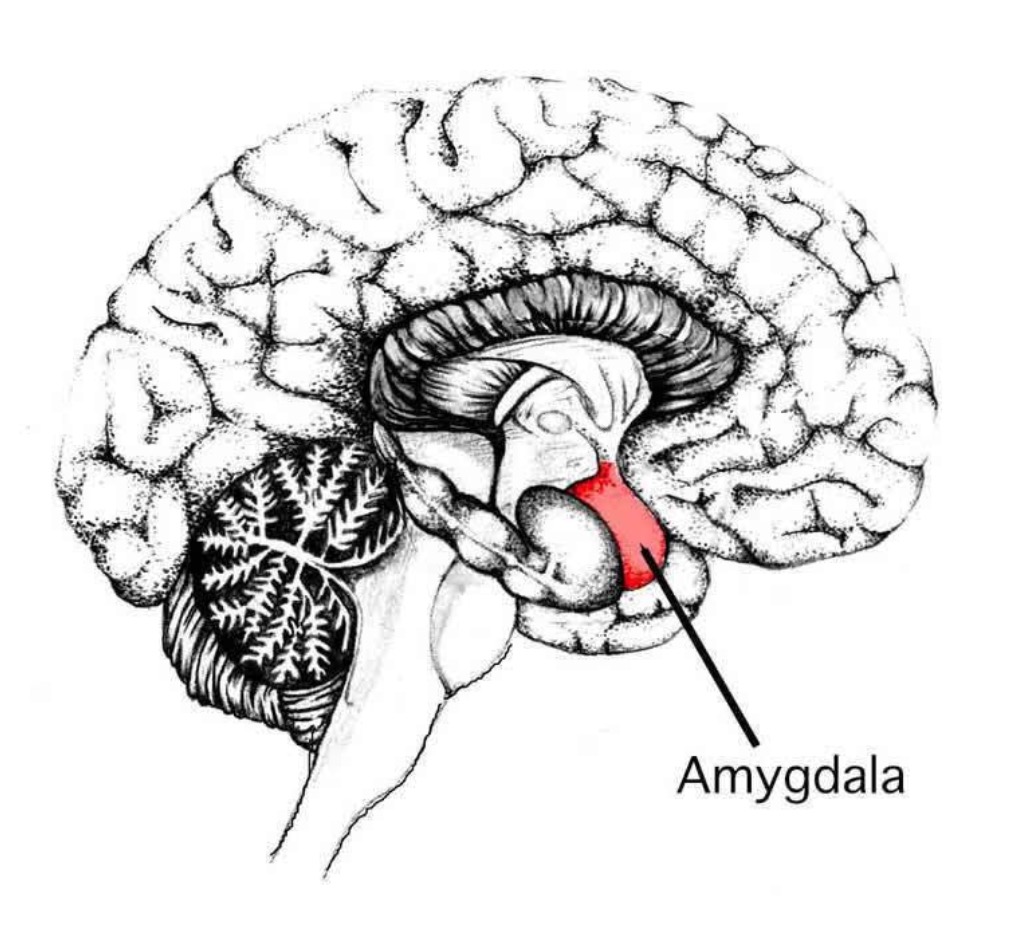
“One of the major findings in this study is that there is a dramatic difference in brain activity in the amygdala and hippocampus during inhalation compared with exhalation.”

“When you breathe in, we discovered you are stimulating neurons in the olfactory cortex, amygdala and hippocampus, all across the limbic system.”

The study was published Dec. 6 in the Journal of Neuroscience. Jay Gottfried, professor of neurology at Feinberg. Northwestern scientists first discovered these differences in brain activity while studying seven patients with epilepsy who were scheduled for brain surgery.

A week prior to surgery, a surgeon implanted electrodes into the patients’ brains in order to identify the origin of their seizures.

This allowed scientists to acquire electro-physiological data directly from their brains.

The recorded electrical signals showed brain activity fluctuated with breathing.

The activity occurs in brain areas where emotions, memory and smells are processed.

This discovery led scientists to ask whether cognitive functions typically associated with these brain areas, in particular fear processing and memory could also be affected by breathing.


The amygdala is strongly linked to emotional processing, in particular fear-related emotions.

So scientists asked about 60 subjects to make rapid decisions on emotional expressions in the lab environment while recording their breathing.

Presented with pictures of faces showing expressions of either fear or surprise, the subjects had to indicate, as quickly as they could, which emotion each face was expressing.

When faces were encountered during inhalation, subjects recognized them as fearful more quickly than when faces were encountered during exhalation.

This was not true for faces expressing surprise.

These effects diminished when subjects performed the same task while breathing through their mouths.

Thus the effect was specific to fearful stimuli during nasal breathing only.

In an experiment aimed at assessing memory function — tied to the hippocampus — the same subjects were shown pictures of objects on a computer screen and told to remember them.

Later, they were asked to recall those objects.

Researchers found that recall was better if the images were encountered during inhalation.

The findings imply that rapid breathing may confer an advantage when someone is in a dangerous situation.

“If you are in a panic state, your breathing rhythm becomes faster.”

“As a result you’ll spend proportionally more time inhaling than when in a calm state.

Thus, our body’s innate response to fear with faster breathing could have a positive impact on brain function and result in faster response times to dangerous stimuli in the environment.”

Another potential insight of the research is on the basic mechanisms of meditation or focused breathing.

“When you inhale, you are in a sense synchronizing brain oscillations across the limbic network,” Zelano noted.
Abstract: Nasal Respiration Entrains Human Limbic Oscillations and Modulates Cognitive Function

The need to breathe links the mammalian olfactory system inextricably to the respiratory rhythms that draw air through the nose.

In rodents and other small animals, slow oscillations of local field potential activity are driven at the rate of breathing (∼2–12 Hz) in olfactory bulb and cortex, and faster oscillatory bursts are coupled to specific phases of the respiratory cycle.

These dynamic rhythms are thought to regulate cortical excitability and coordinate network interactions, helping to shape olfactory coding, memory and behavior.

However, while respiratory oscillations are a ubiquitous hallmark of olfactory system function in animals, direct evidence for such patterns is lacking in humans.

In this study, we acquired intracranial EEG data from rare patients (Ps) with medically refractory epilepsy, enabling us to test the hypothesis that cortical oscillatory activity would be entrained to the human respiratory cycle, albeit at the much slower rhythm of ∼0.16–0.33 Hz.
Results reveal that natural breathing synchronizes electrical activity in human piriform (olfactory) cortex, as well as in limbic-related brain areas, including amygdala and hippocampus.

Notably, oscillatory power peaked during inspiration and dissipated when breathing was diverted from nose to mouth.

Parallel behavioral experiments showed that breathing phase enhances fear discrimination and memory retrieval.

SIGNIFICANCE STATEMENT
Animal studies have long shown that olfactory oscillatory activity emerges in line with the natural rhythm of breathing, even in the absence of an odor stimulus.

Whether the breathing cycle induces cortical oscillations in the human brain is poorly understood. In this study, we collected intracranial EEG data from rare patients with medically intractable epilepsy, and found evidence for respiratory entrainment of local field potential activity in human piriform cortex, amygdala, and hippocampus.

These effects diminished when breathing was diverted to the mouth, highlighting the importance of nasal airflow for generating respiratory oscillations.

Finally, behavioral data in healthy subjects suggest that breathing phase systematically influences cognitive tasks related to amygdala and hippocampal functions.

.

Share Button

Finding your purpose in life.

Align your PERSONALITY with your PURPOSE and nobody can touch you. My personality needs to serve my soul.

I’m not living the dream because I’m special. I’m living the dream because I was obedient to the call of the dream.

My definition of LUCK is PREPARATION meeting the moment of OPPORTUNITY.”

No matter what challenges, setbacks or disappointment you may encountered along the way, you will find true success and happiness, if you have only one goal.

There really is only ONE GOAL and that is this, to fulfill the highest, most truthful expression of yourself.

So I say to you, forget about the fast lane.

   “If you really want to fly, just harness your power to your PASSION. 

   Honor your CALLING. Everyone has one.

   Trust your heart and SUCCESS will come to you.

.

Relax, it’s going to be okay!

⁃ Oprah Winfrey

Share Button

Depression Not Caused by Chemical Imbalance

Depression
Not Caused by Chemical Imbalance

Many people believe depression is caused by a chemical imbalance in the brain; this chemical imbalance theory has been widely promoted by drug companies and psychiatrists alike — without evidence to back it up.

Pharmaceutical companies were instrumental in bringing the chemical imbalance theory to the mainstream, heavily promoting it as a marketing gimmick to sell antidepressant drugs.

Studies have repeatedly shown antidepressants work no better than placebo for mild to moderate depression, yet carry a significant risk of side effects.

“Depression is likely the result of multiple environmental and biological factors, including faulty mood regulation by the brain, genetic vulnerability, stressful life events, nutrition, medications and medical problems, among others.“

Do you know what causes depression?

Many people would respond that it’s due to a chemical imbalance in the brain.

This chemical imbalance theory has been widely promoted by drug companies and psychiatrists alike, to the extent that it’s accepted as fact.

The glaring problem is that the chemical imbalance theory is just that, a theory and worse still, it’s a theory that has been largely discredited.

The theory was first proposed by scientists in the 1960s after it appeared certain antidepressant drugs worked by altering brain chemicals, but it was stated that “the findings are inconclusive.”

Yet, the theory was proposed at a time when treating mental illness via psychoanalysis was falling out of favor while viewing it as tied to a physical or biological mechanism was in vogue.

The idea quickly spread, becoming the medical dogma for depression, despite concrete evidence proving its worth.

“The fact that practicing physicians and leaders of science bought that idea, to me, is so disturbing,” Steve Hyman, director of the Stanley Center for Psychiatric Research at the Broad Institute of MIT and Harvard, told Quartz.

The news outlet continued:

“It’s not hard to see why the theory caught on: It suited psychiatrists’ newfound attempt to create a system of mental health that mirrored diagnostic models used in other fields of medicine.

The focus on a clear biological cause for depression gave practicing physicians an easily understandable theory to tell patients about how their disease was being treated.”

Prozac, Zoloft Bring Chemical Imbalance Theory for Depression to the Mainstream.

The release of the antidepressant Prozac (fluoxetine) in the late 1980s was a game changer for depression treatment in that the drug’s maker, Eli Lilly, heavily promoted the chemical balance theory as a marketing gimmick to sell the drug.

With fewer side effects than some of the earlier antidepressants, Prozac became a blockbuster drug and the poster child for the selective serotonin reuptake inhibitor (SSRI) class of antidepressants, which target the neurotransmitter serotonin.

“There was, of course, no demonstrable evidence showing that depressed patients had any imbalance, but Lilly ran with it,” Psychology Today noted.

“Before long, psychiatrists and psychiatric patients alike came to identify with the idea that mental disorders are caused by chemical imbalances in the brain.”

Zoloft (sertraline), another SSRI, was another major player in spreading and perpetuating the chemical balance theory, with their television ads going so far as to say,

“While the causes are unknown, depression may be related to an imbalance of natural chemicals between nerve cells in the brain. Prescription Zoloft works to correct this imbalance.”

It’s important to note that in the time since Prozac flooded the market, depression still remains poorly treated, despite a plethora of new antidepressant options to choose from.

SSRIs work by preventing the reuptake (movement back into the nerve endings) of the neurotransmitter serotonin.

This makes more serotonin available for use in your brain, which is thought to improve your mood since low serotonin levels are said to lead to depression.

Yet, as written in the Handbook of Experimental Pharmacology, it’s a largely disproven theory:

“Antidepressants are supposed to work by fixing a chemical imbalance, specifically, a lack of serotonin in the brain.

Indeed their supposed effectiveness is the primary evidence for the chemical imbalance theory. But analyses of the published data and the unpublished data that were hidden by the drug companies reveal that most (if not all) of the benefits are due to the placebo effect. Some antidepressants increase serotonin levels, some decrease it, and some have no effect at all on serotonin. The serotonin theory is as close to any theory in the history of science having been proved wrong.”

Harvard:

Depression ‘More Complex’ Than a Brain Chemical Imbalance.

It’s quite possible that people who are depressed may have an imbalance of certain chemicals in their brain.

But to speculate that that imbalance is the cause of their symptoms is overly simplistic.

For instance, it’s known that psychological stress can cause biological changes in the brain, including a reduction in the size of the hippocampus, which is used for learning and memory.

In turn, it’s known that some people with depression have a smaller-than-average hippocampus.

“Evidence of biological changes correlating with environmental stressors is vastly different from evidence that mental illnesses are ‘caused’ by biological deficits,” scientists wrote in a 2008 report on the chemical imbalance theory, and this is an important point.

Even Harvard Medical School acknowledges that while brain chemicals may play a role in your mood, it is not accurate to suggest that one being too high or too low is at the root of depression.

They state:

“Research suggests that depression doesn’t spring from simply having too much or too little of certain brain chemicals. Rather, there are many possible causes of depression, including faulty mood regulation by the brain, genetic vulnerability, stressful life events, medications, and medical problems. It’s believed that several of these forces interact to bring on depression. There are millions, even billions, of chemical reactions that make up the dynamic system that is responsible for your mood, perceptions, and how you experience life.”

One theory posits, for instance, that stress could be a major contributor to depression because it suppresses the production of new neurons in the hippocampus.

In order to feel better, people with depression may need to increase neurogenesis (the generation of new neurons), which takes weeks.

This would explain why many people who take antidepressants don’t notice any improvement for several weeks.

If the action was really on neurotransmitters, the patient should feel better right away when levels increase.

Instead, triggering the growth of neurons could be the secret, which is a process that can be triggered naturally via exercise.

Believing Depression Is Caused by Chemical Imbalance Worsens Outcomes.

Aside from the serious implications of prescribing drugs under a false premise, the chemical balance theory is also dangerous in that it takes away ownership from the patient.

If a person feels a chemical imbalance in their brain is to blame for their depression, they may believe taking medications is the only option to feel better.

According to Todd Kashdan, professor of psychology at George Mason University in Virginia, upon “buying into a biomedical explanation for their depression:”

“They become pessimistic that recovery is possible.

They become less confident that they can manage and regulate negative moods that arise (and they always do).

The notion that depression is their brain’s fault does not lessen the stigma or self-blame one bit.

And they no longer believe that psychotherapy is a credible or useful strategy for treating their depression and instead, are ready to be dispensed a pill cure.

Essentially, they become less flexible in their options for treating depression and less confident that they will escape its clutches.”

Indeed, a 2014 study published in Behavior Research and Therapy revealed just that — attributing depressive symptoms to a chemical imbalance made people more pessimistic about their prognosis and led them to believe that drugs would be more effective than psychotherapy.

At the same time, they still felt the same amount of self-blame. It’s important to note that feeling depressed is not anyone’s fault, nor should they feel blamed for or ashamed of their feelings.

However, pinning its cause on a chemical imbalance is likely to worsen outcomes rather than improve them.

It’s a vicious cycle as well, because the chemical imbalance theory makes people assume that medications are the best course of treatment.

But here again research has shown that people with depression who are treated with medication have poorer long-term outcomes compared to those who are not.

Antidepressants Work No Better Than Placebo.

Nearly 7 percent of U.S adults suffered from a depressive episode in the past year15 while, worldwide, 350 million people suffer from depression, making it a leading cause of disability.

Despite this, only about one-third of Americans with depression get treated, which puts the remaining two-thirds left untreated at increased risk of suicide and with a lower quality of life.

That said, the antidepressant drugs that are supposed to work by fixing a chemical imbalance in the brain are largely ineffective, which means that even when some people attempt to get treatment, they’re left suffering.

Studies have repeatedly shown antidepressants work no better than placebo for mild to moderate depression.

Irving Kirsch, associate director of the Program in Placebo Studies at Harvard Medical School, has conducted meta-analyses of antidepressants in comparison to placebo and has concluded that there’s virtually no difference in their effectiveness, noting, “The difference is so small, it’s not of any clinical importance.”

What is different, however, is the potential for side effects, which is far greater among antidepressants than placebos.

For instance, antidepressant users have an increased risk of developing Type 2 diabetes, even after adjusting for other risk factors, like body mass index (BMI).

Antidepressant use has also been linked to thicker arteries, which could contribute to the risk of heart disease and stroke.

The results of a study of 513 twin veterans, presented at the American College of Cardiology meeting in New Orleans in 2011, found that antidepressant use resulted in greater carotid intima-media thickness (the lining of the main arteries in your neck that feed blood to your brain).

This was true both for SSRIs and antidepressants that affect other brain chemicals.

Further, the use of antidepressants is also associated with an increased risk of heart attack, specifically for users of tricyclic antidepressants, who have a 36 percent increased risk of heart attack.

Meanwhile, the drugs are also linked to dementia, with researchers noting “treatment with SSRIs, MAOIs, heterocyclic antidepressants, and other antidepressants was associated with an increased risk of dementia,” and as the dose increased, so too did the risk.

The drugs are also known to deplete various nutrients from your body, including coenzyme Q10 and vitamin B12 — in the case of tricyclic antidepressants — which are needed for proper mitochondrial function. SSRIs may deplete iodine and folate, and you’re even more likely to relapse if you’re treated with antidepressants than if you’re treated via other methods, including placebo or exercise.

Given the lack of effectiveness and the risks involved, Kirsch and colleagues concluded:

“When different treatments are equally effective, choice should be based on risk and harm, and of all of these treatments, antidepressant drugs are the riskiest and most harmful. If they are to be used at all, it should be as a last resort, when depression is extremely severe and all other treatment alternatives have been tried and failed.”

Alternative Treatments for Depression.

If the chemical imbalance theory is false, the case for choosing antidepressants as a first-line treatment for depression is incredibly weak.

Fortunately, there are many alternatives to drugs for treating depression, including nutritional interventions, light therapy, exercise and more.

If you’re struggling with depression, you needn’t suffer in silence.

Seek help, from a counselor, a holistic psychiatrist or another natural health practitioner to start the journey toward healing.

That said, if you are feeling desperate or have any thoughts of suicide, please call the National Suicide Prevention Lifeline, call 911, or simply go to your nearest hospital emergency department.
You cannot make long-term plans for lifestyle changes when you are in the middle of a crisis.

If you’re in a place where you feel you can begin to make positive changes, here are some of the top alternative treatments for depression to consider:

Exercise.

Those who didn’t exercise were 44 percent more likely to become depressed compared to those who did so for at least one to two hours a week.

Light therapy.

Light therapy alone and placebo were both more effective than Prozac for the treatment of moderate to severe depression in an eight-week-long study.

Omega-3 fats,

which have been shown to lead to improvements in major depressive disorder.

Make sure you’re getting enough omega-3s in your diet, either from wild Alaskan salmon, sardines, herring, mackerel and anchovies, or a high-quality animal-based omega-3 supplement.

Optimize your vitamin D levels,
another factor linked to depression
Magnesium.

Magnesium supplements

led to improvements in mild-to-moderate depression in adults, with beneficial effects occurring within two weeks of treatment.

B vitamins.

Low levels of B vitamins are common in patients with depression, while vitamin B supplements have been shown to improve symptoms.
Mindfulness meditation and the Emotional Freedom Techniques (EFT).

In a study of 30 moderately to severely depressed college students, the depressed students were given four 90-minute EFT sessions. Students who received EFT showed significantly less depression than the control group when evaluated three weeks later.

Cognitive behavioral therapy,

which works as well as antidepressants and may reduce your risk of relapse even after it’s stopped.

Limit sugar.

Men consuming more than 67 grams of sugar per day were 23 percent more likely to develop anxiety or depression over the course of five years than those whose sugar consumption was less than 40 grams per day.

Share Button
css.php